
Last updated November 23, 2026
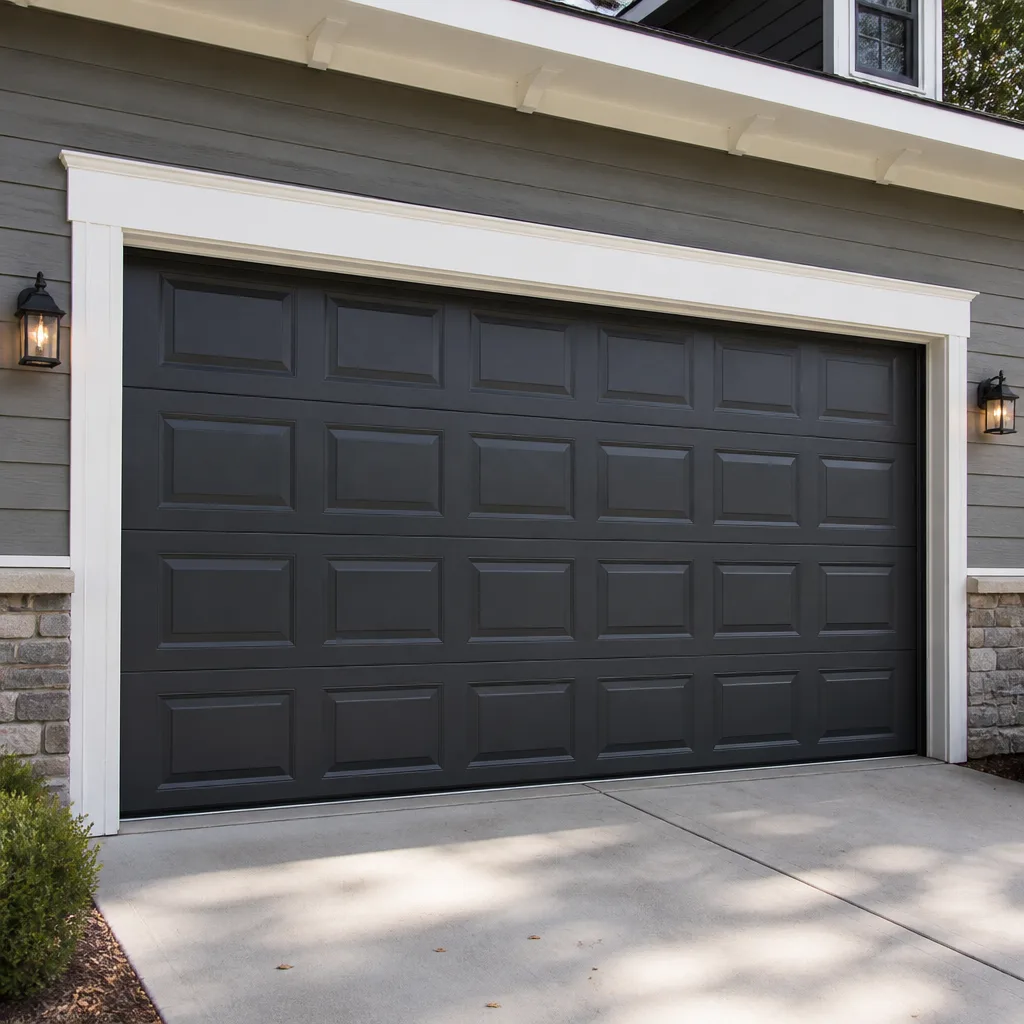 Raised-panel steel
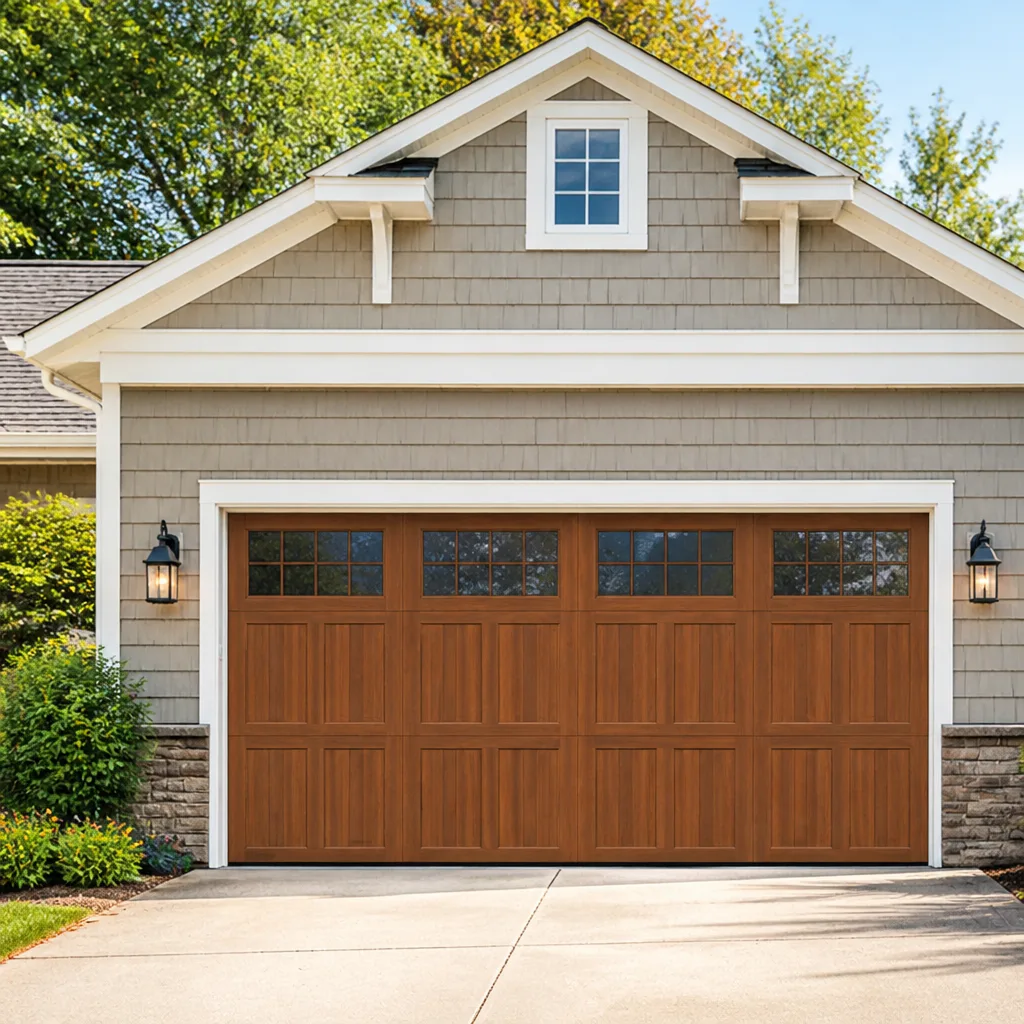
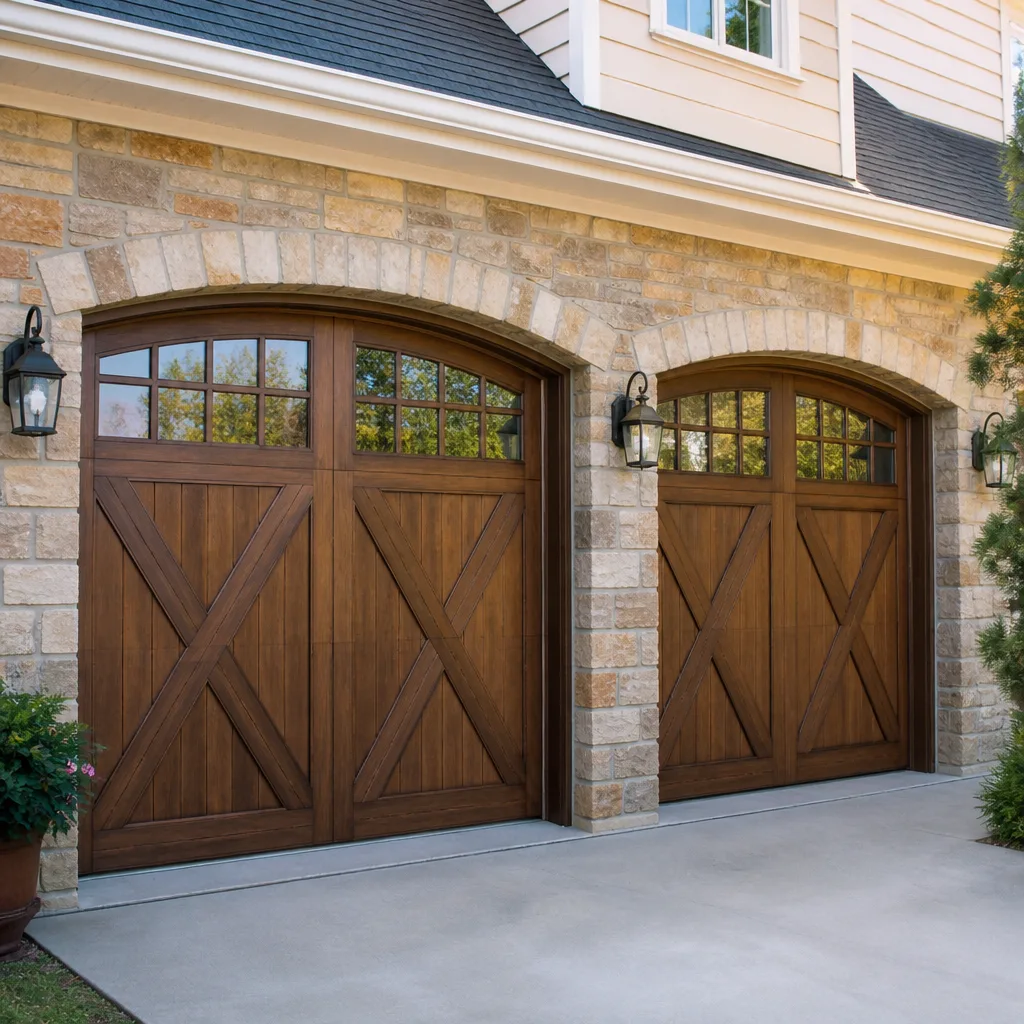 Carriage house
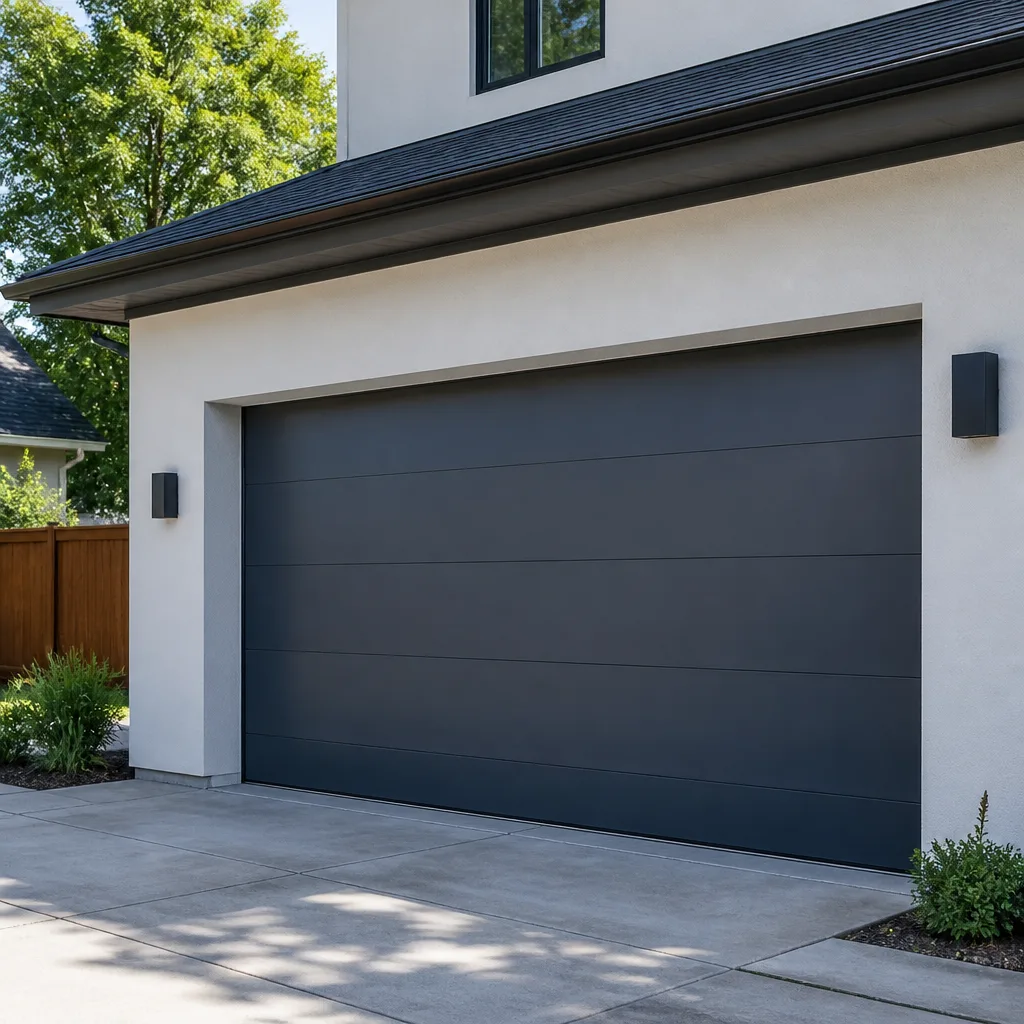 Modern flush
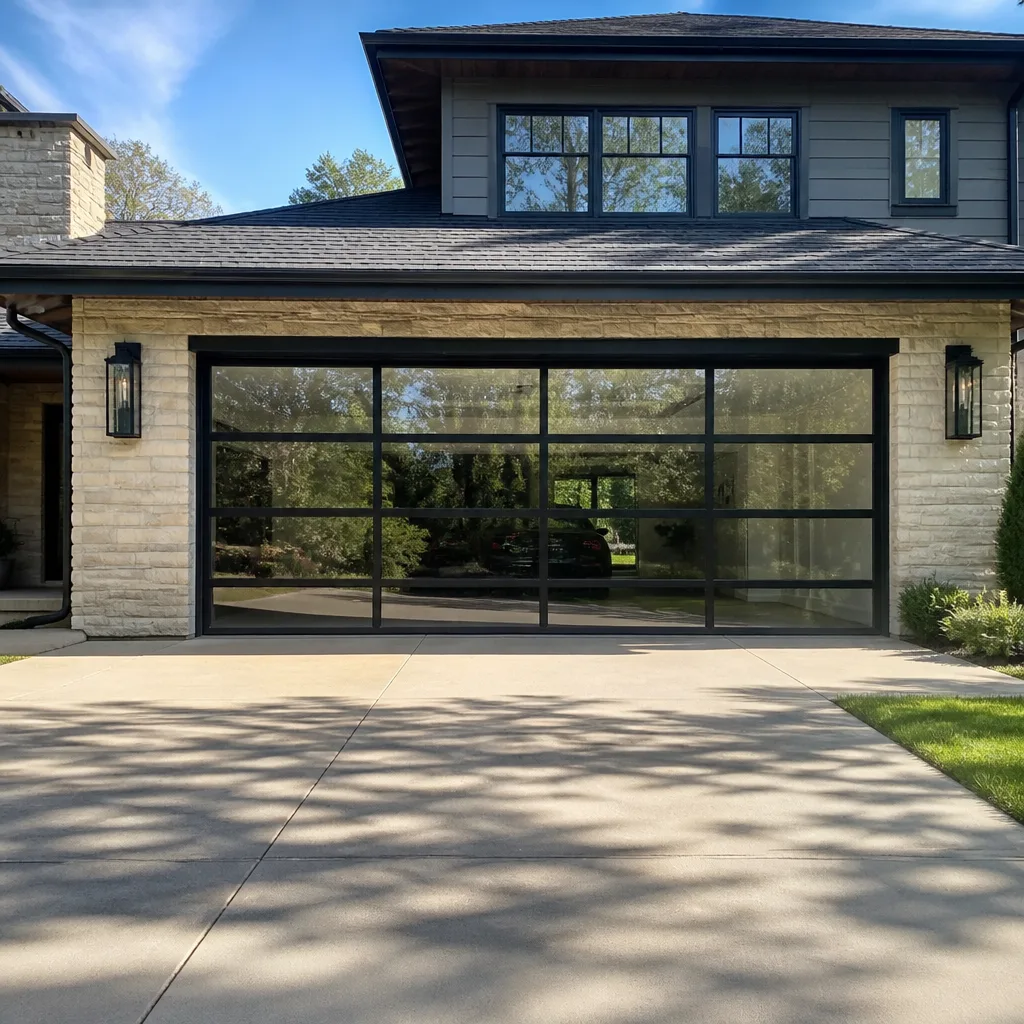 Full-view glass
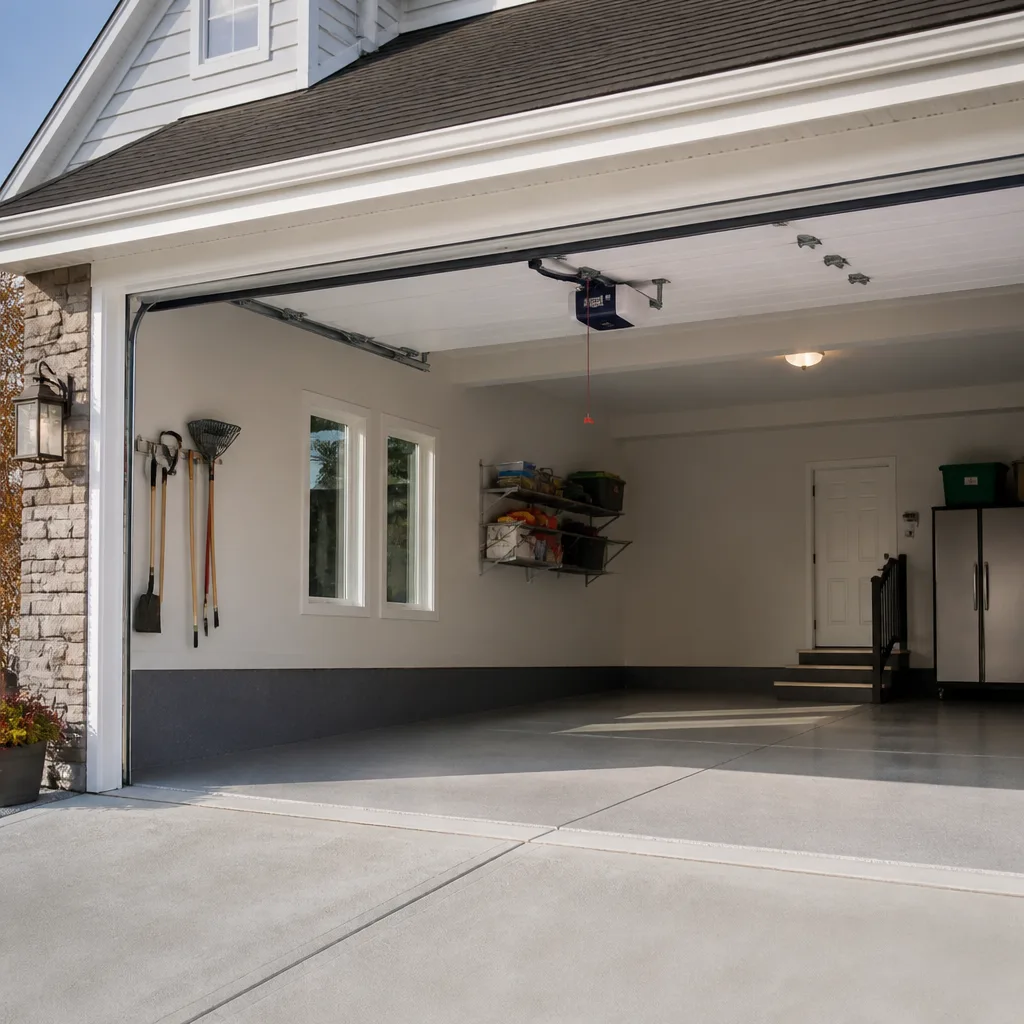 LiftMaster openers
 Chamberlain openers
Full 25-point door and opener safety check with every visit - springs, cables, rollers, tracks, and your LiftMaster or Chamberlain opener included
You get a price before we start. It does not change when the pro arrives.
Get your free estimateSeasonal Garage Door Care for Waterbury: Year-Round Homeowner’s Guide
The most expensive garage door failures in Waterbury don’t happen in January. They happen in March, during the first week of rapid freeze-thaw swings, when a torsion spring that has been stressed all winter finally lets go all at once. That’s the part most seasonal checklists miss. A generic “inspect your door once a year” routine treats every month the same, but Waterbury’s four-season climate doesn’t work that way. Each season puts a different load on your springs, cables, tracks, seals and opener, and each one fails in its own way. This guide breaks the year into four distinct maintenance events, so you know what to check in October, what to watch in February, and what to fix before summer humidity gets into a wood door. By the end you’ll have a 15-minute walk-through you can run yourself, plus a clear sense of when to stop and call a professional.
Quick Answer
Seasonal garage door care in Waterbury means four checkpoints a year, not one: a fall inspection focused on cable tension and spring cycles before the freeze sets in, a winter watch on opener motor performance in the cold, a spring post-winter inspection of tracks and seals after freeze-thaw damage, and a summer check on wood swelling and paint adhesion. A simple 15-minute visual walk-through at each season catches most developing problems before they become service calls. Anything involving springs, cables or the opener’s internal wiring is a job for a trained technician.
Styles & brands we work with
- Raised-panel steel
- Carriage house
- Modern flush
- Full-view glass
- LiftMaster openers
- Chamberlain openers
Table of Contents
- Why Fall Is the Most Important Season in Waterbury
- Winter: How Cold Affects Your Opener Motor
- Spring: The Post-Winter Inspection That Matters Most
- Summer: Humidity, Wood Swelling and Seal Gaps
- Your 15-Minute Seasonal Walk-Through
- Brand-Specific Care: What Varies and What Doesn’t
- Common Mistakes to Avoid
- When to Call a Professional
Why Fall Is the Most Important Season in Waterbury
Fall is when you have the most control and the least pressure. The door is still working, the weather is still mild, and any problem you find can be handled before the first hard freeze locks it in place. By the time January arrives, a cracked seal or a cable that’s started to fray is much harder to deal with, and a spring that’s near the end of its cycle count is far more likely to snap in the cold.
Two checks belong specifically in October, and they’re the ones most homeowners skip.
Cable tension. The lift cables run along the sides of the door and wind around the drums at the top. Over a season of daily use they can stretch slightly, develop a kink, or start to fray where they pass over a pulley. In fall you can see the whole cable run clearly, and a technician can measure tension and check the drum windings while the weather is still cooperative. A cable that’s starting to go in October is a quick fix. The same cable that lets go in February, with the door halfway up, is a different kind of problem.
Spring cycle count. Torsion springs are rated in cycles, and each open-and-close is one cycle. In a household where the door runs four or five times a day, that adds up fast. Fall is the right time to have a technician look at the spring’s condition and estimate how much life is left, because replacing a spring on your schedule is far better than replacing it on the door’s schedule. This is the core of what garage door spring repair involves, and it’s worth treating as preventive work rather than only as an emergency response.
Fall is also when you should clear the tracks of the debris that summer and early fall blew in, check that the safety reverse still works, and look at the weather seal along the bottom of the door. A seal that’s already stiff or torn will only get worse once the cold arrives.
Winter: How Cold Affects Your Opener Motor
Your garage door opener is an electric motor, and like any motor it works harder in the cold. The grease inside the gearbox thickens, the battery in a battery-backup unit loses capacity, and the door itself moves with more resistance because the rollers and hinges are stiffer. A LiftMaster or Chamberlain unit that opened smoothly in September can start to strain in January, and the strain shows up as a door that moves slowly, a motor that sounds louder than usual, or an opener that occasionally stops partway and reverses.
Here’s the threshold to watch: if the door starts reversing on its own in cold weather, or if you have to hold the wall button down to get it to close, stop using it and get it looked at. Those are signs the opener is working against resistance it wasn’t designed for, and continuing to run it that way is how a motor or a logic board fails.
- Listen for a change in sound. A healthy opener has a steady, even hum. Grinding, rattling or a labored growl in cold weather means something is binding.
- Watch the speed. A door that’s noticeably slower to open in January than it was in October is telling you the motor is straining.
- Check the safety reverse. Test it once a month in winter. Place a small object in the door’s path and confirm the door reverses on contact.
- Don’t force a frozen door. If the bottom seal is frozen to the floor, don’t run the opener against it. Free the seal by hand first.
Cold also does a number on the door’s moving parts. Rollers get stiff, hinges dry out, and the lubricant you applied in fall may need a light touch-up by mid-winter. A silicone-based lubricant on the hinges, rollers and springs is the standard recommendation, and it’s one of the few maintenance tasks you can safely do yourself. For anything involving the opener’s internal wiring or a motor that’s already failing, that’s garage door opener repair territory, and it’s better handled by a technician who knows the brand.
Spring: The Post-Winter Inspection That Matters Most
Spring in Waterbury is a stress test. The freeze-thaw cycle that defines a Connecticut spring means the ground moves, moisture gets into everything, and the temperature swings from the twenties to the fifties within a week. Garage doors feel all of it. This is the season when the problems that built up quietly over winter surface, and it’s why the March inspection is the one you shouldn’t skip.
The inspection points unique to a Connecticut spring:
- Track alignment. Freeze-thaw movement can shift a track out of plumb or push the brackets slightly out of line. Stand back and look down the length of each track. Any visible bend, or a gap between the roller and the track edge, means the door isn’t running true.
- Seal shrinkage. The rubber or vinyl weather seal along the bottom and sides of the door contracts in cold and doesn’t always bounce back. A seal that’s pulled away from the floor or the frame leaves a gap that lets in water, cold air and pests.
- Spring condition. A spring that survived the winter may still be near the end of its life. Look for a visible gap in the coil or a spring that’s lost its tension. Don’t touch it; report it.
- Cable and drum wear. Check the cables for fraying where they pass over the pulleys, and look at the drums for wear or a cable that’s wound unevenly.
- Hinge and roller condition. The freeze-thaw cycle works hinges loose and can crack a nylon roller. Wobble each hinge gently and spin each roller by hand.
- Bottom bracket and fasteners. Look for loosened bolts along the bottom of the door and the track brackets. Snug is fine; a bolt that’s backed out completely is a problem.
If a spring has snapped over the winter, that’s the one item on this list you must not try to handle yourself. Torsion springs are under extreme tension, and the wrong move can cause serious injury. A trained technician has the winding bars and the experience to do it safely, and this is exactly the kind of work we handle as a named service rather than a sideline. When a door won’t open in spring because a spring has failed, the fix is usually straightforward once the right person is on it.
Summer: Humidity, Wood Swelling and Seal Gaps
Waterbury summers are humid, and humidity is the enemy of a wood garage door. Wood absorbs moisture from the air, and a door that fit perfectly in April can swell enough by July to bind in its frame or drag on the floor. You’ll notice it as a door that’s harder to open, a gap that’s opened up along one side, or paint that’s starting to bubble and peel where moisture has gotten underneath.
The paint problem matters more than it looks. Paint is the door’s moisture barrier. Once it fails in one spot, water gets into the wood, the wood swells, and the cycle accelerates. A wood door that’s showing paint failure in summer is a door that will have bigger problems by the following spring if the paint isn’t addressed.
Humidity also affects seals. A seal that shrank in winter may sit slightly loose in summer, and the combination of a swollen door and a loose seal is how weather infiltration starts. If you can see daylight under the door or feel air moving past the seal, that’s a gap worth fixing.
- Look for paint bubbling or peeling, especially along the bottom edge and around the hardware. Those are the first places moisture gets in.
- Check that the door still closes flush. A swollen door may sit proud of the frame or drag on one side.
- Feel for air and look for daylight at the bottom and sides of the door. A gap that’s small in June can be significant by September.
- Keep the tracks clean. Summer dust and pollen collect in the tracks and mixed with lubricant can gum up the rollers.
- Watch the opener in heat. A unit that runs hot in a closed garage can behave erratically. If it’s cycling on its own or failing to respond, get it checked.
Summer is also the right time to think about a full replacement if the door is old and the wood is failing. Garage door repair can handle a lot of summer issues, but a door with widespread rot or paint failure across multiple panels is often better replaced than patched. A Clopay, Amarr, Wayne Dalton or Raynor door installed in summer has the whole season to settle before the cold arrives.
Your 15-Minute Seasonal Walk-Through
You don’t need to be a technician to catch most developing problems. A simple visual and hands-on walk-through, done once per season, will surface the majority of issues before they turn into service calls. Here’s the routine we recommend to Waterbury homeowners. Do it with the door closed first, then with it open, and don’t run the opener while you’re inspecting.
- Look at the door from the outside. Stand back and check that the door is level, that the panels line up, and that there are no gaps along the sides or bottom. Two minutes.
- Check the weather seal. Run your hand along the bottom seal. It should be flexible and in contact with the floor. Look for tears, stiffness or separation. One minute.
- Test the safety reverse. Place a small object in the door’s path and run the door. It should reverse on contact. Two minutes.
- Listen to the opener. Run the door up and down once. Note any change in sound, speed or hesitation. Two minutes.
- Inspect the tracks and rollers. With the door closed, look down each track for bends or debris. With the door open, check that each roller is seated and spins freely. Three minutes.
- Look at the springs and cables from a distance. Check for visible gaps in the springs, fraying on the cables, or uneven winding on the drums. Don’t touch them. Two minutes.
- Check the hardware. Give each hinge a gentle wobble and look for loose bolts along the bottom bracket and track mounts. Two minutes.
That’s roughly fifteen minutes, and it will catch the vast majority of developing problems. What it won’t catch is internal spring fatigue, opener logic board issues, or a cable that’s failing from the inside. Those need a technician’s eye.
Brand-Specific Care: What Varies and What Doesn’t
The seasonal checklist above works for any door, but the specifics of what to watch for depend on what you own. We work on equipment from eight major brands, and knowing the difference is part of doing the job right.
On the opener side, LiftMaster and Chamberlain units share a lot of internal architecture, and both are known for reliable performance that shows its age in the motor and logic board rather than the remote. Genie openers have their own drive systems, and the seasonal checks that matter most are the ones on the drive screw or belt tension. A Craftsman unit, often installed years ago and still running, benefits from the same winter attention to motor strain as any other brand, and when it finally fails, the repair is usually a matter of matching the right replacement part to the existing system.
On the door side, a Raynor or Clopay steel door has different seasonal concerns than a wood door. Steel doors are less affected by humidity swelling but more affected by seal shrinkage and track alignment. Wood doors, including many Wayne Dalton and Amarr models, need the summer paint and moisture checks that steel doors don’t. Knowing which you have tells you which seasonal section of this guide to read twice.
The point is that a technician who works on your specific brand knows what tends to fail and when. That’s the difference between a diagnosis and a guess, and it’s why we work on your brand rather than steering you toward the one we prefer. Whether it’s a spring, an opener or a full new door, the right diagnosis comes first.
Common Mistakes to Avoid
- Treating maintenance as a once-a-year task. In Waterbury’s climate, a single annual checkup misses the fall prep that prevents winter failures and the spring inspection that catches freeze-thaw damage. Four checkpoints, one per season, is the right rhythm.
- Trying to adjust or replace a torsion spring yourself. Springs are under extreme tension and the most common cause of serious garage door injuries. Leave them to a trained technician and never wind or unwind one by hand.
- Ignoring a door that reverses on its own in cold weather. That’s a sign the opener is straining, and running it that way is how a motor or logic board fails. Stop using the door and get it checked.
- Letting paint failure on a wood door go into fall. Once moisture is in the wood, the swelling and rot get worse, and a problem that could have been fixed with a paint touch-up becomes a panel replacement.
- Forcing a frozen door open with the opener. If the bottom seal is frozen to the floor, free it by hand. Running the opener against a frozen seal strains the motor and can damage the seal itself.
- Skipping the October cable check because the door still works. A cable that’s starting to fray in fall is a quick fix. The same cable that fails in February is a much bigger problem.
- Assuming a new opener will fix a door that’s binding. If the door itself is out of alignment or the springs are tired, a new opener just works harder against the same resistance. Fix the door first.
See the difference
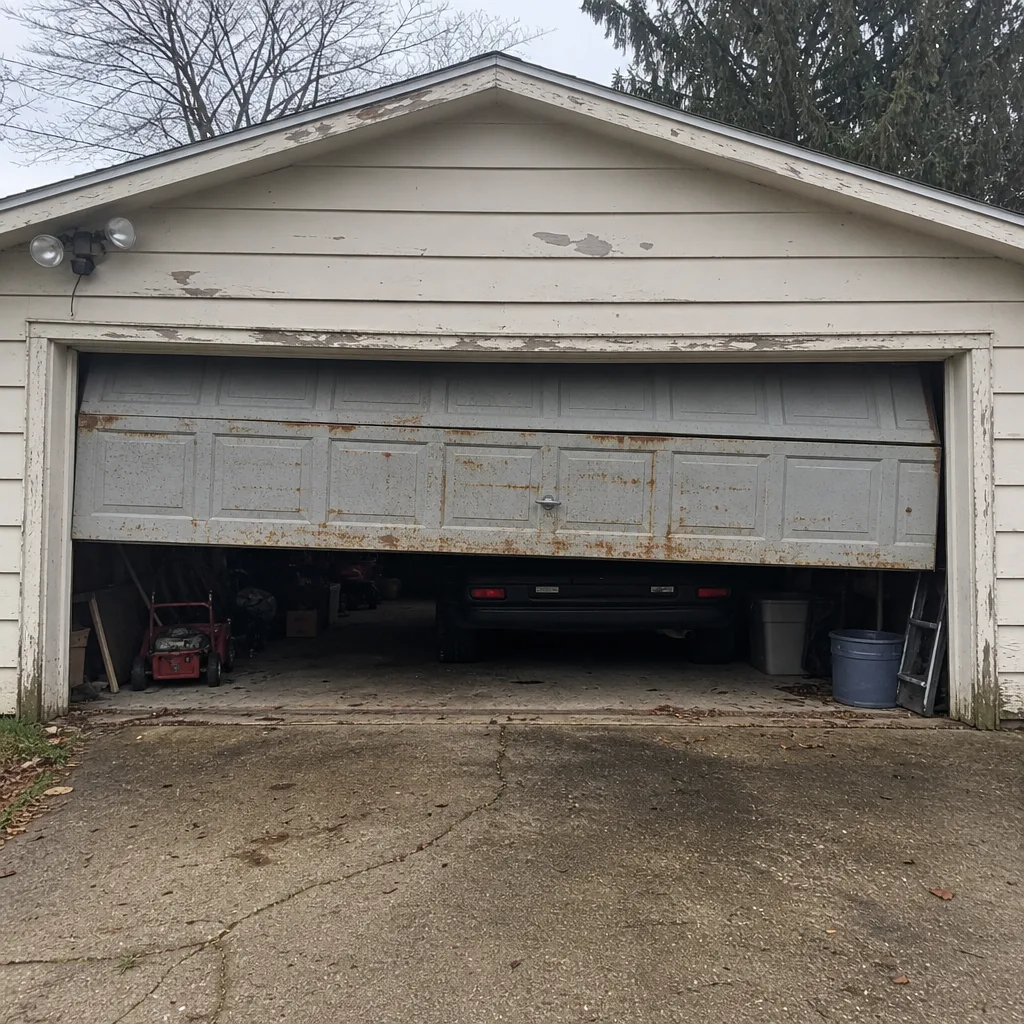 Before
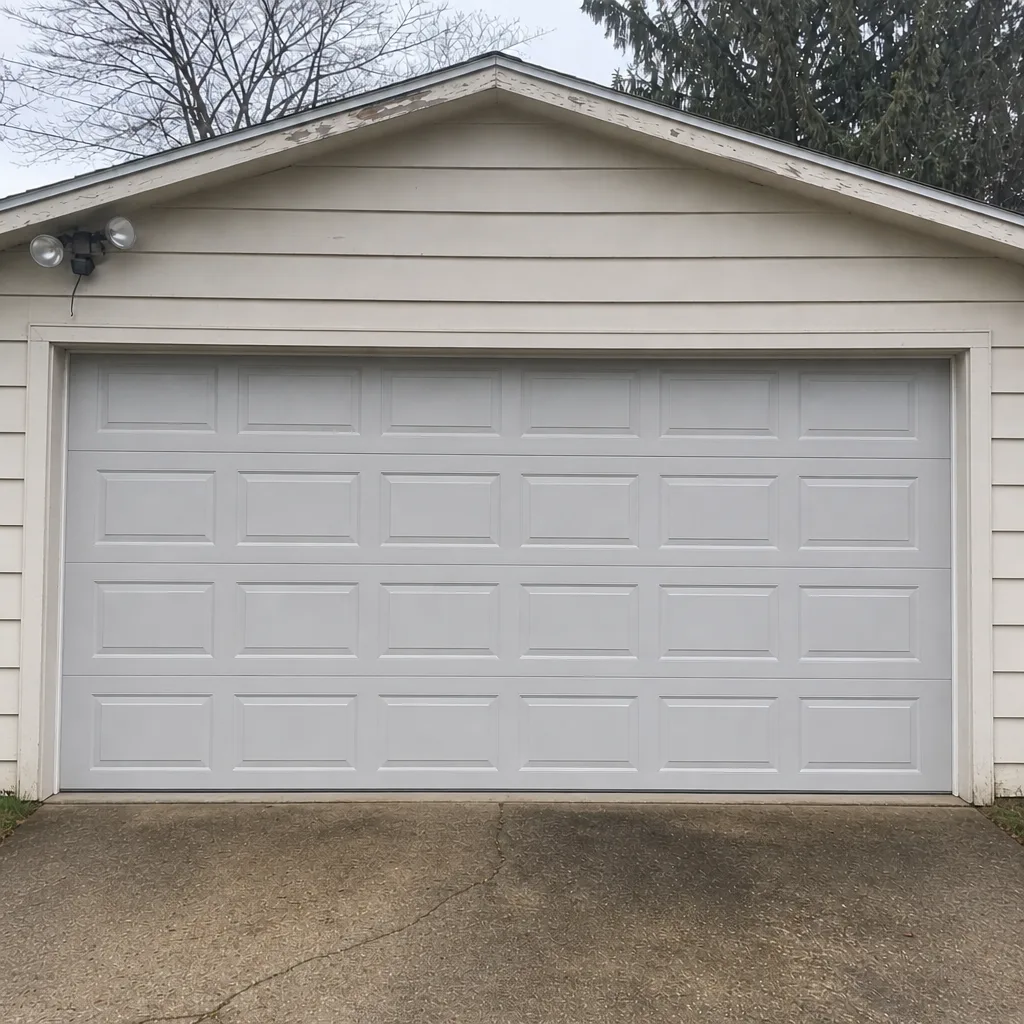 After
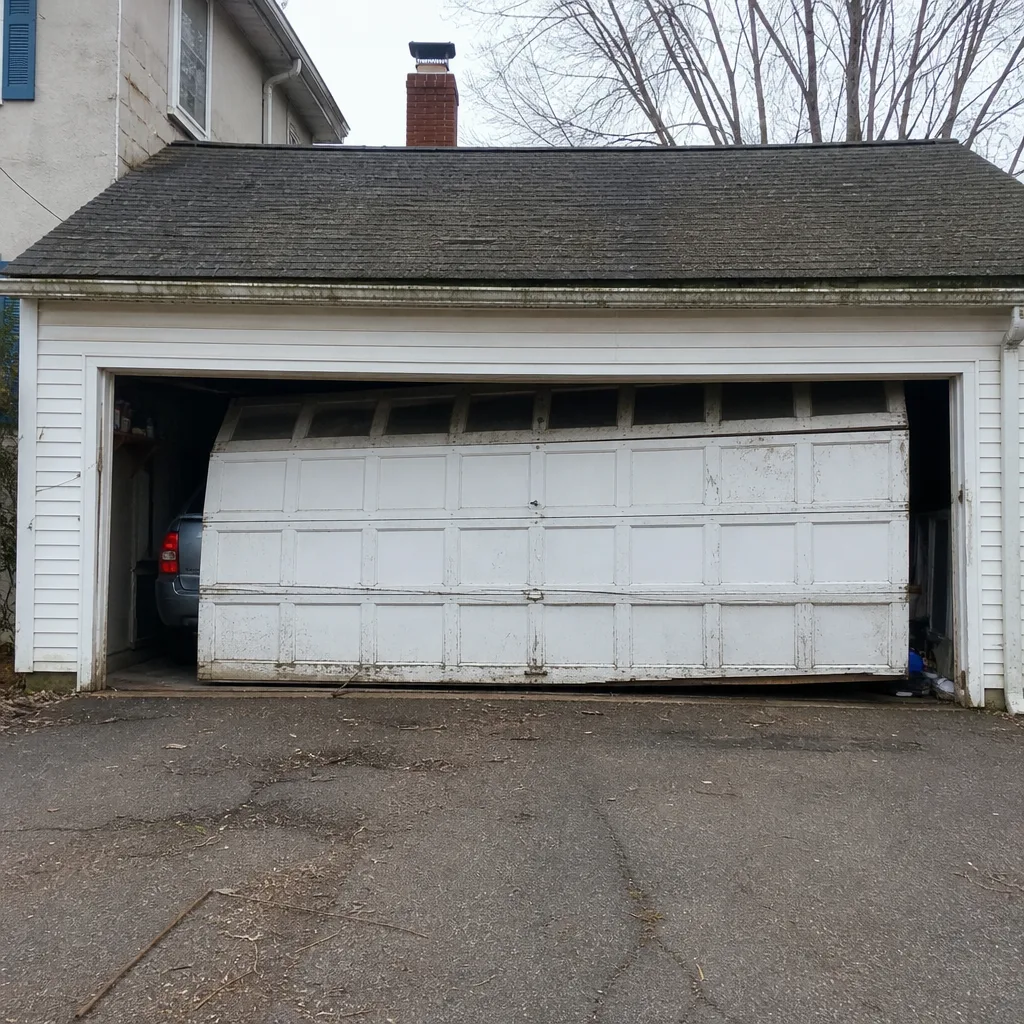 Before
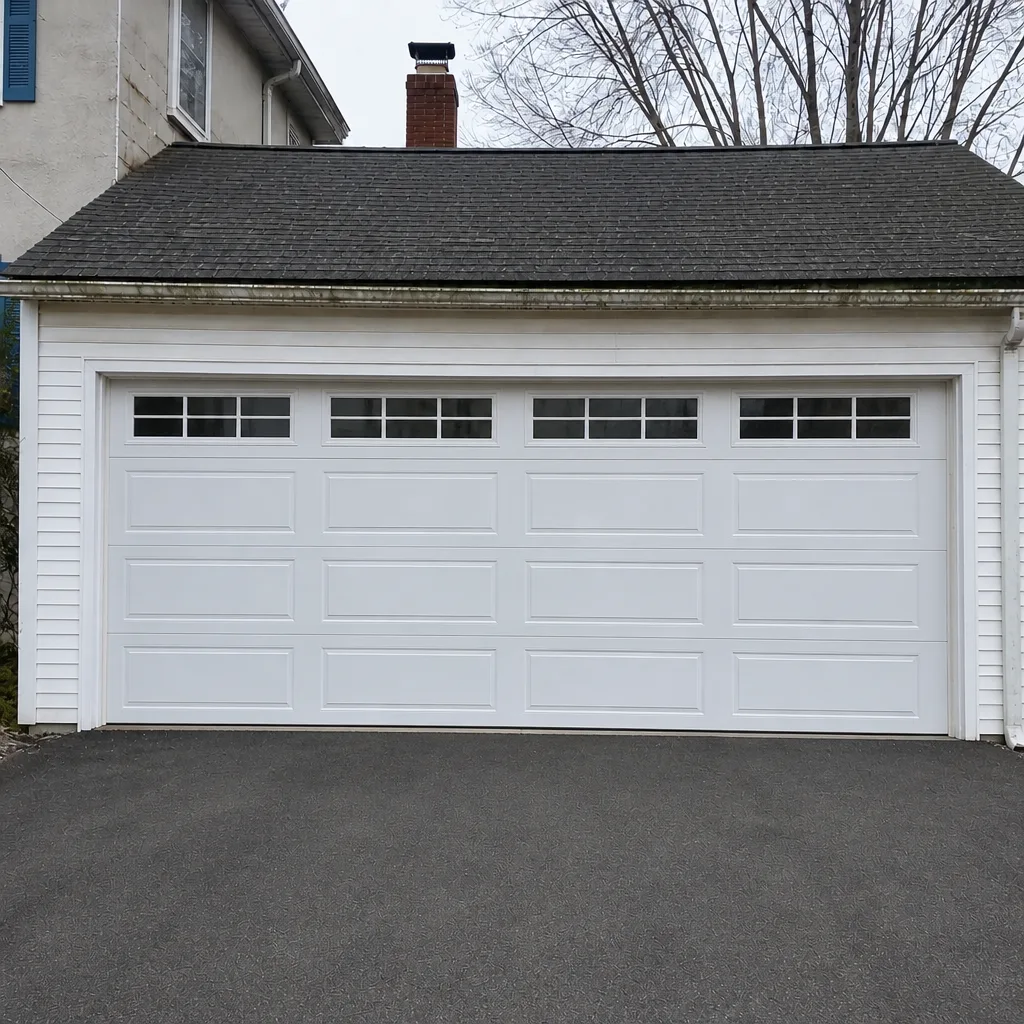 After
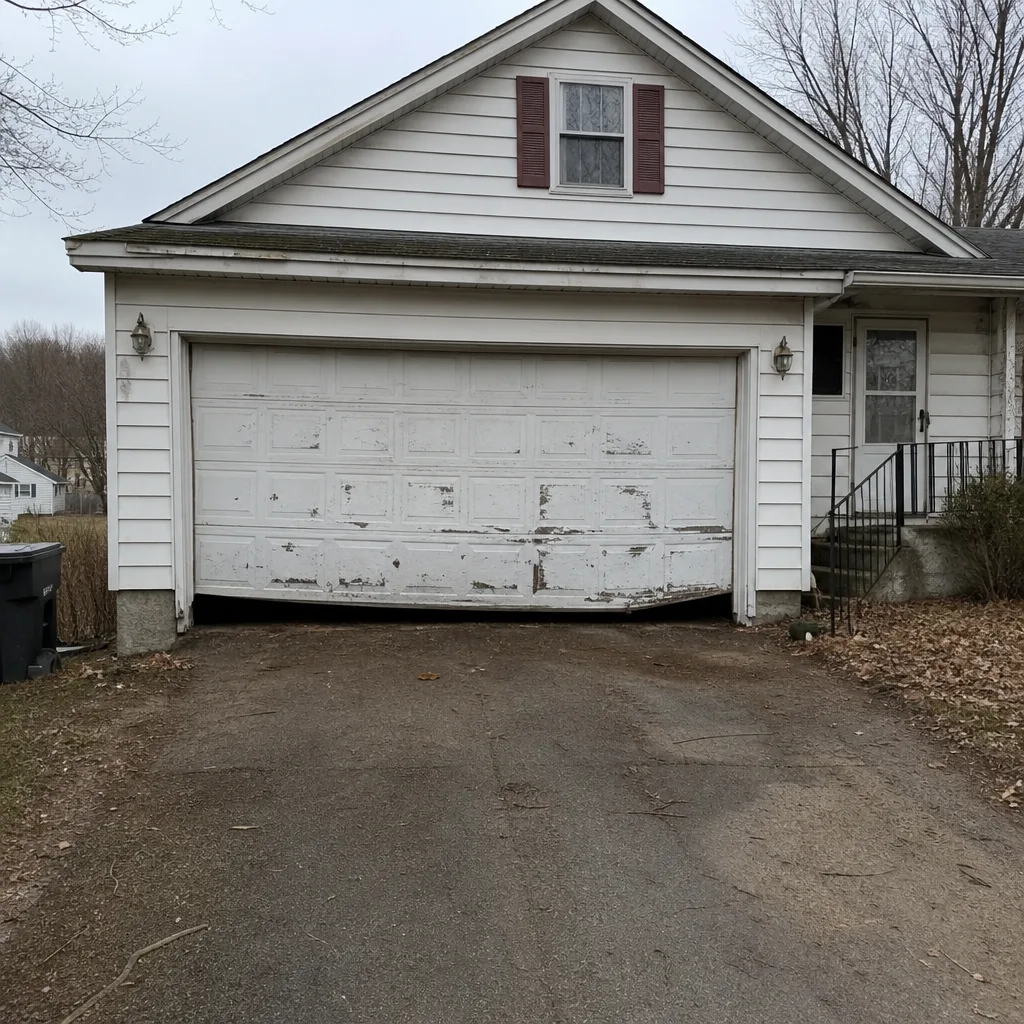 Before
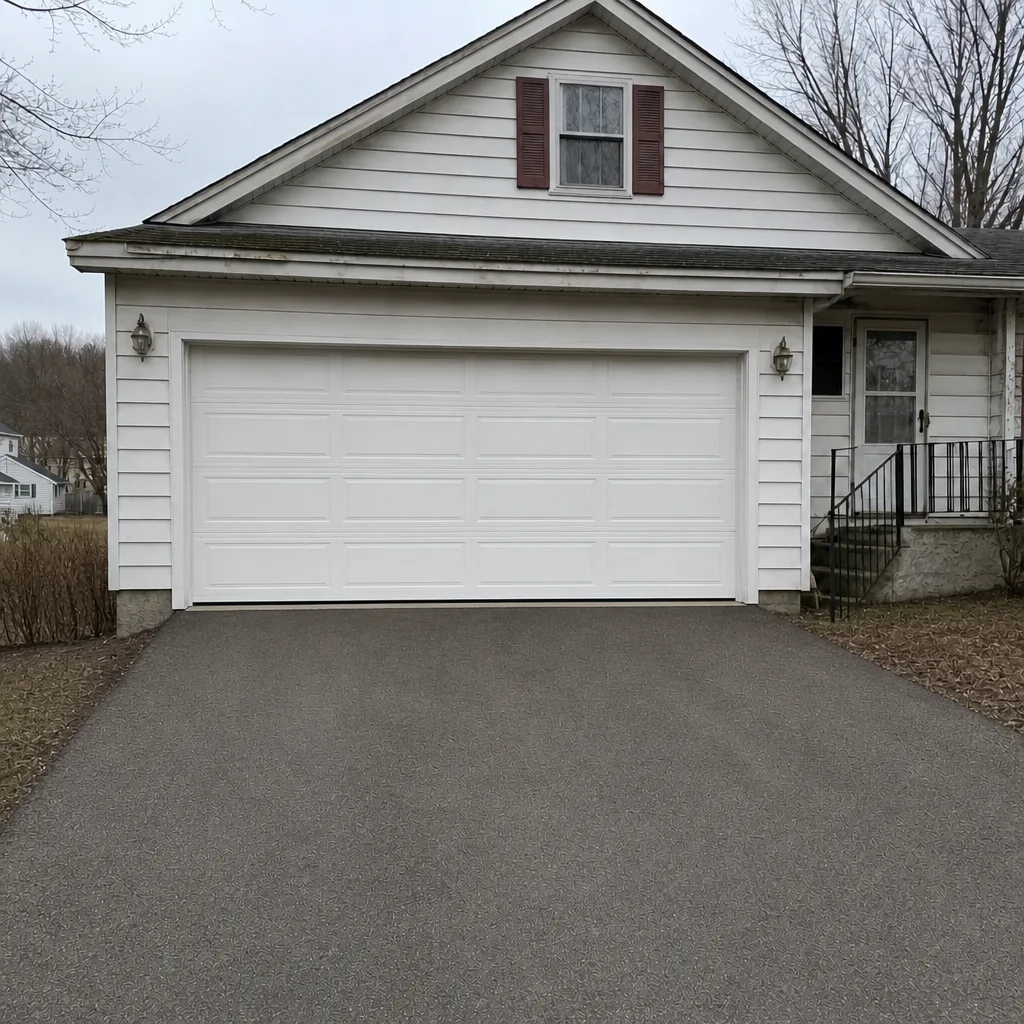 After
When to Call a Professional
Some seasonal care is yours to handle, and some isn’t. Call a professional if a spring has snapped or is visibly losing tension, if a cable is frayed or has come off its drum, if the door is off its tracks or hanging unevenly, if the opener reverses on its own or won’t respond to the remote, or if you can’t get the door to close and secure. Those are the situations where a specialist’s diagnosis saves you time and prevents a bigger repair. A trained technician can also measure spring cycle life and cable tension during a routine visit, which tells you what’s coming before it fails. Waterbury Garage Door Repair offers free estimates in Waterbury. Call (833) 513-8667. We answer 24/7. Fast dispatch from 7am to 7pm, Sunday through Friday.
Our technicians have up to 8 years of experience, and we handle the full job scope in-house, from a broken spring to a full new door. That means no hand-off at any stage of the work. If you’re not sure whether a seasonal issue needs a visit, call and describe what you’re seeing. We’ll tell you what’s worth checking and what’s worth booking.
Frequently Asked Questions
Four times a year, roughly once per season, is the right rhythm for Waterbury’s climate. Fall is the most important checkpoint because it’s when cable tension and spring cycle count get checked before the freeze. Winter is a watch-and-listen season for opener performance, spring is the post-winter inspection for tracks and seals, and summer is when you check wood swelling and paint adhesion. A single annual service misses the seasonal failure patterns that matter most here.
Springs are stressed by the cold all winter, and the rapid freeze-thaw temperature swings of a Connecticut March put the final load on them. A spring that’s near the end of its cycle count often fails during the first week of warm weather, not in the depths of January. That’s why the fall cycle-count check matters and why a spring that’s already tired should be replaced before winter rather than after it fails.
No. Torsion springs are under extreme tension and are the most common cause of serious garage door injuries. Winding or unwinding one by hand, without the right tools and experience, is dangerous. This is a job for a trained technician, and it’s one of the reasons spring repair is a specialized service rather than a general handyman task.
Watch for a door that reverses on its own, a motor that sounds louder or more labored than usual, or a door that moves noticeably slower than it did in warmer months. If you have to hold the wall button down to get the door to close, that’s a sign the opener is straining. Stop using the door and get it checked before the motor or logic board fails.
Humidity. Wood absorbs moisture from the air, and a humid Waterbury summer can swell a door enough to bind in its frame or drag on the floor. Paint failure makes it worse because paint is the door’s moisture barrier. Once the paint fails, water gets into the wood and the swelling accelerates. Checking paint adhesion and door fit in summer is the best way to catch it early.
In most cases, yes. A door that’s off its tracks is one of the situations where speed matters, because forcing it or leaving it hanging can cause more damage. Call (833) 513-8667 and describe what you’re seeing. We answer 24/7. A call outside dispatch hours is booked into the next opening, Sunday through Friday, 7am to 7pm. The price is quoted and agreed before any work starts, and the written estimate sets the final price. For an exact figure, call (833) 513-8667. Estimates are free.
The Bottom Line
Waterbury’s four seasons each put a different load on your garage door, and the failures that cost the most are the ones that build quietly over months and then surface all at once. The fix isn’t a bigger annual checklist. It’s treating fall, winter, spring and summer as four separate maintenance events with different priorities: cable and spring checks in October, opener attention in the cold, a thorough post-winter inspection in March, and a humidity and paint check in summer. Run the 15-minute walk-through each season and you’ll catch most developing problems early. When something touches the springs, cables or the opener’s internals, call a specialist. Waterbury Garage Door Repair offers free estimates in Waterbury. Call (833) 513-8667 for a free estimate. We answer 24/7. Fast dispatch from 7am to 7pm, Sunday through Friday.
We connect Waterbury homeowners with independent local professionals who work on your brand, not just the one they prefer. Whether your door needs garage door repair, a new opener, a spring replacement or a full new door, the right diagnosis comes first. We work on LiftMaster, Chamberlain, Genie, Clopay, Amarr, Wayne Dalton, Craftsman and Raynor equipment, and we handle the full job from repair to installation without handing you off. For more about who we are and how we work, see Waterbury Garage Door Repair. If a spring has failed, our garage door spring repair service is the place to start. If your opener is the problem, that’s garage door opener repair. A small seasonal check now saves a much bigger call later.
Written by the team at Waterbury Garage Door Repair.