
Last updated November 23, 2026
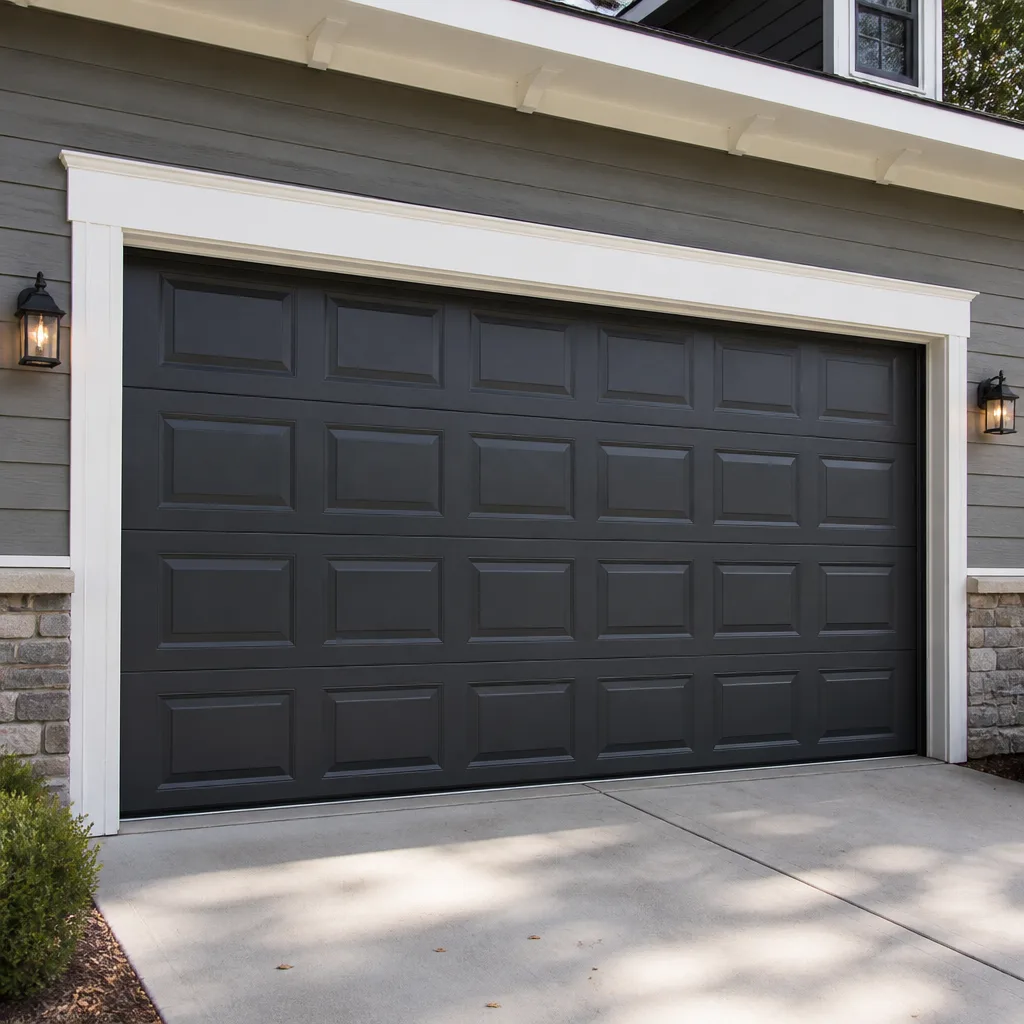 Raised-panel steel
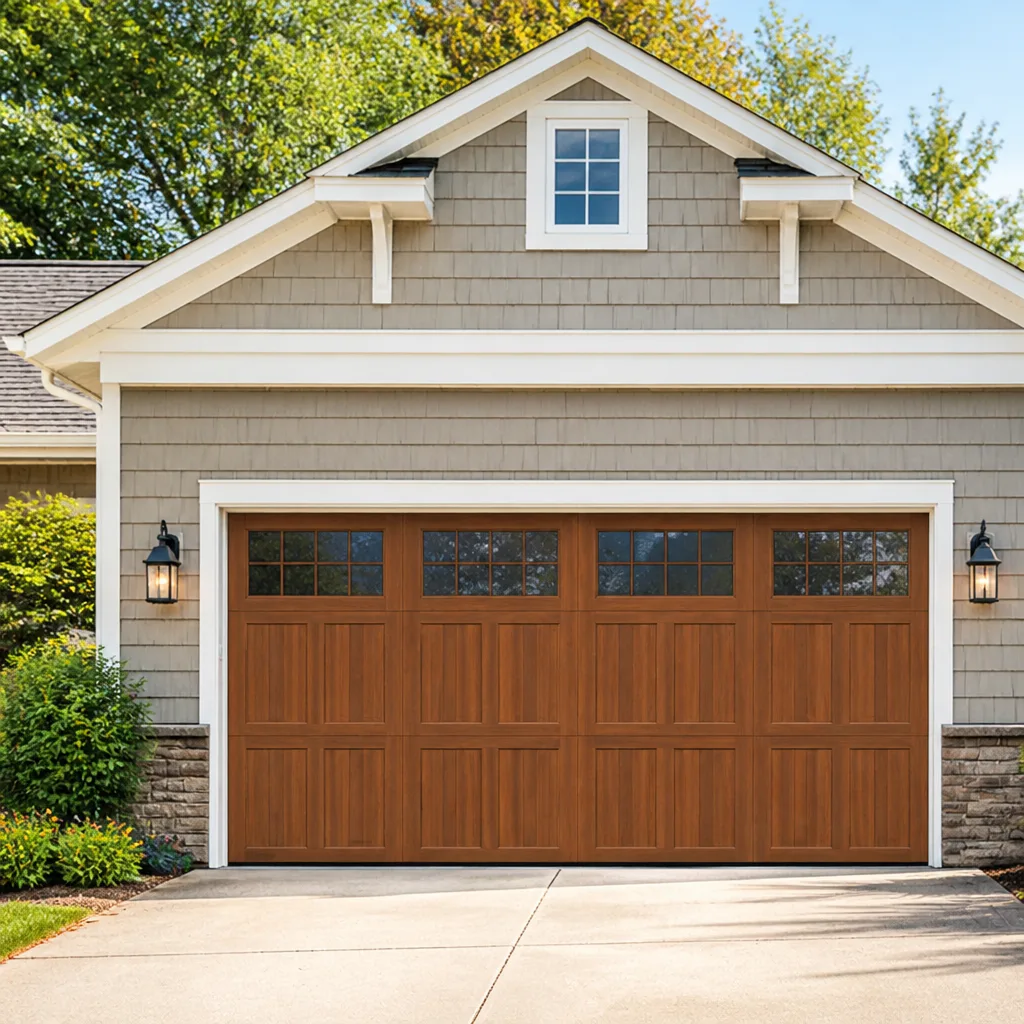
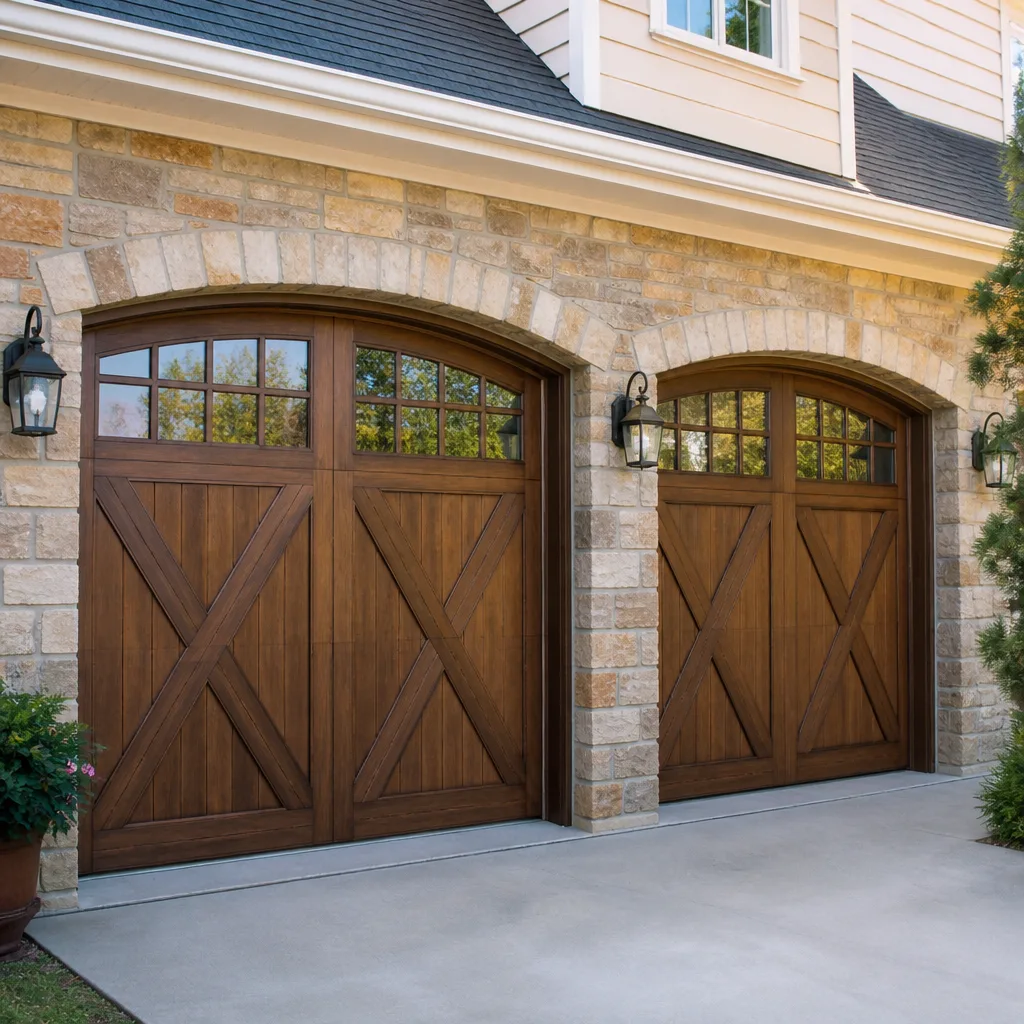 Carriage house
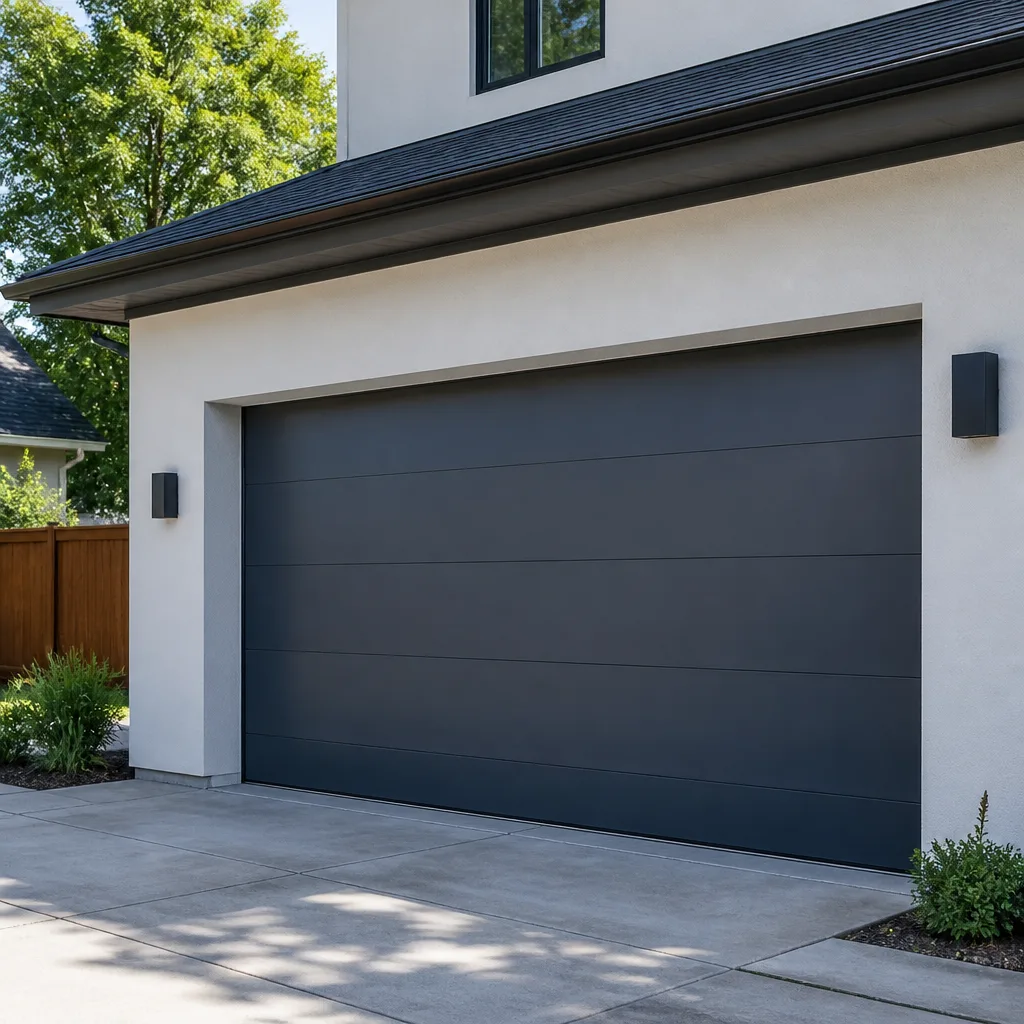 Modern flush
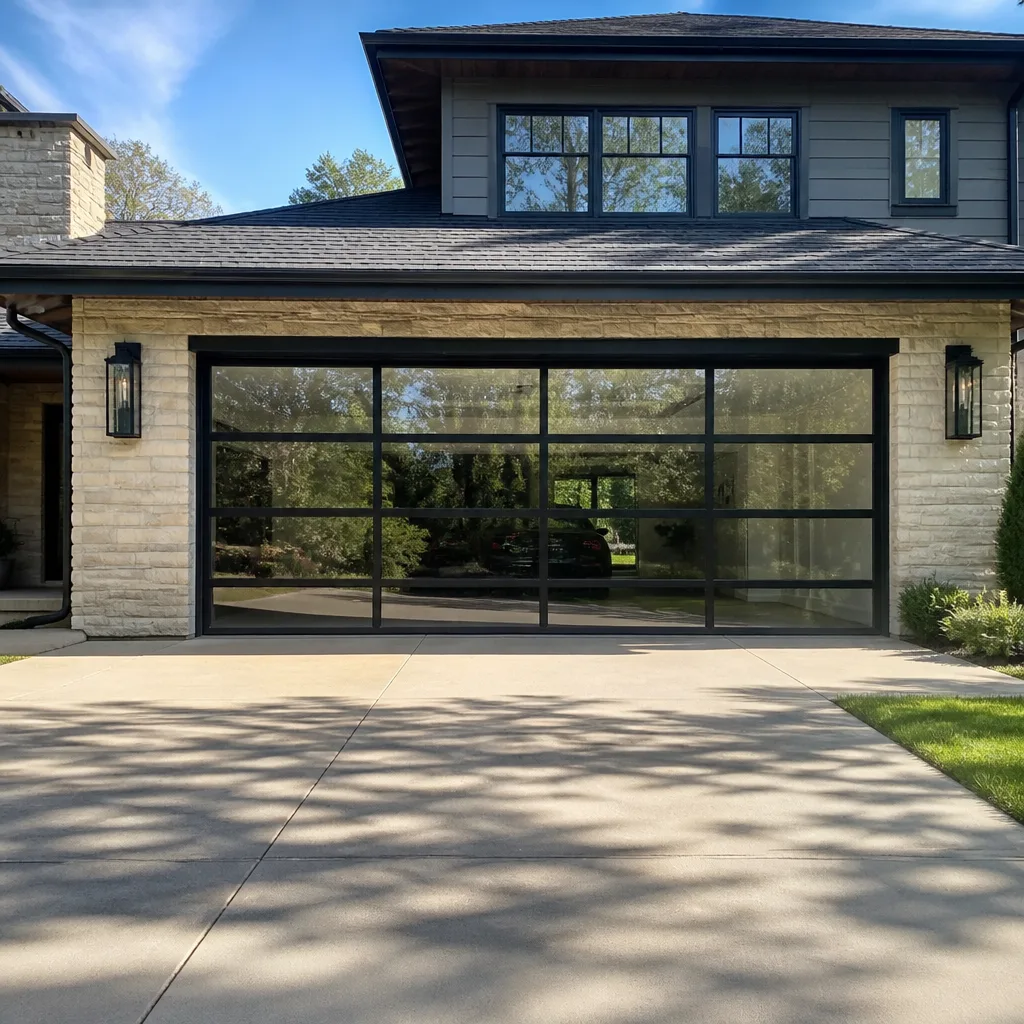 Full-view glass
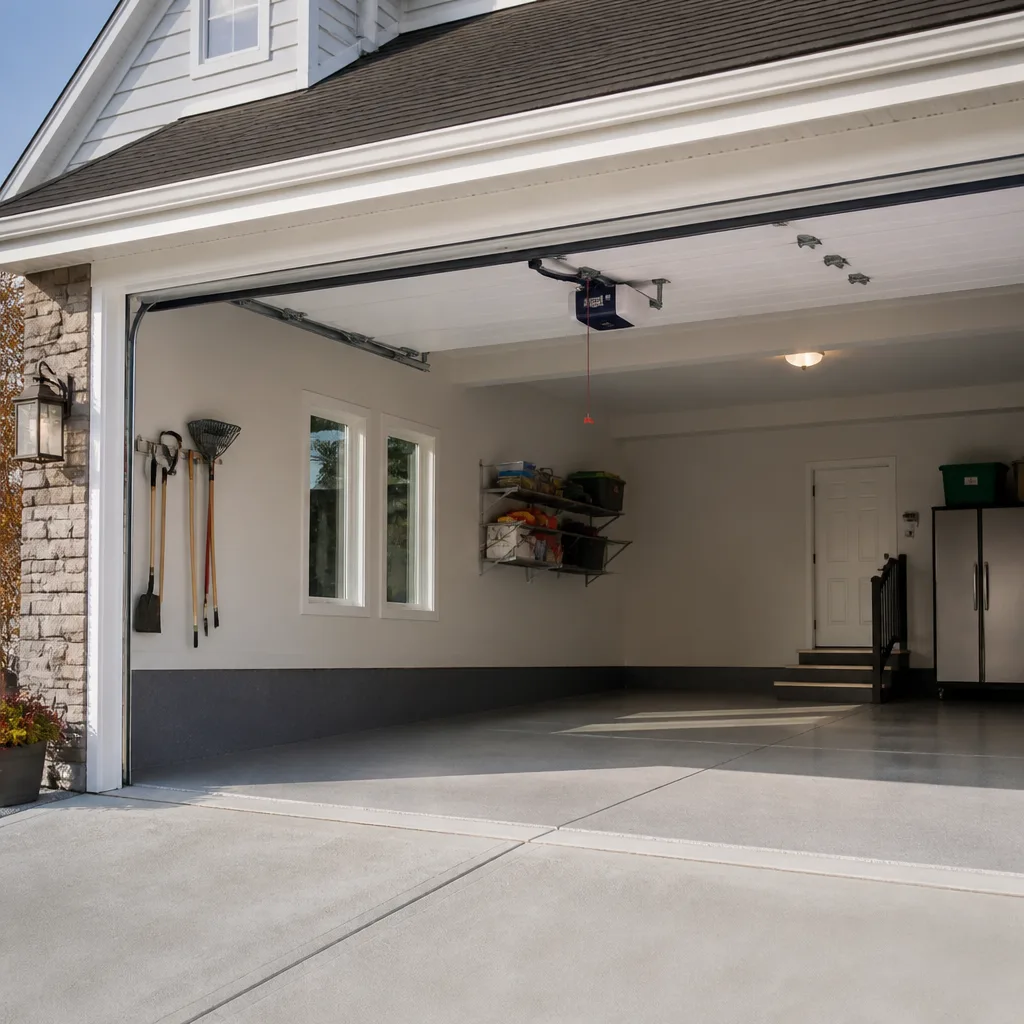 LiftMaster openers
 Chamberlain openers
Full 25-point door and opener safety check with every visit - springs, cables, rollers, tracks, and your LiftMaster or Chamberlain opener included
You get a price before we start. It does not change when the pro arrives.
Get your free estimateChoosing the Right Garage Door Brand: A Buyer’s Guide for Waterbury
One of the most common calls we see involves a door from a brand that looked excellent in a showroom but has proprietary parts that require a two-week lead time when something fails. In a Connecticut winter, two weeks matters. A garage door you can’t close is a hole in the side of your house, and Waterbury winters don’t negotiate. So here’s the counterintuitive point this guide is built around: the brand name on the door matters far less than the local service and parts network behind it. This guide shows you how to judge both, with an eye on how doors actually live through a Waterbury winter.
Quick Answer
The best garage door brand in Waterbury is the one whose parts a local technician can get quickly, whose panels and hardware hold up to Connecticut freeze-thaw cycles, and whose warranty actually pays when something fails in year three. National reputation gets a brand on your short list, but parts availability in the Waterbury and New Haven County market is what keeps the door working. Steel gauge, insulation measurement method, and warranty exclusions are the three specs worth comparing closely, and we walk through each one below.
Styles & brands we work with
- Raised-panel steel
- Carriage house
- Modern flush
- Full-view glass
- LiftMaster openers
- Chamberlain openers
Table of Contents
- Why the Brand Name Is Only Half the Decision
- How to Judge Parts Availability in the Waterbury Market
- Steel Gauge Ratings and What They Mean for CT Weather
- Comparing Insulation R-Value Claims Across Brands
- Which Brands Have Trained Technicians Working in Waterbury
- Warranty Terms That Actually Matter
- Building Your Short List: A Step-by-Step Process
- Matching the Door to Your Opener
Why the Brand Name Is Only Half the Decision
A garage door is not a single product. It’s four separate systems that fail on different timelines: the door itself (panels, tracks, hinges, rollers), the torsion or extension spring assembly, the opener, and the weather sealing that keeps your garage from turning into a wind tunnel. The brand on the door box covers the first system. Whether the other three can be serviced fast in Waterbury depends on the local parts chain, not the label on the panel.
This is the distinction most buyers miss. A premium door from a brand with no trained local technicians is a liability, not an asset. When a hinge cracks or a bottom seal tears, you want a technician who can identify the exact part, find it in the regional supply chain, and install it without guessing. When that doesn’t happen, a simple fix turns into a two-week wait and a tarp over the opening.
Waterbury adds a layer to this. The city sits in a river valley where winter brings repeated snow, ice, and the freeze-thaw cycling that works on every sealing surface, gasket, and roller in the door assembly. Doors here don’t just open and close. They open and close in a climate that moves moisture into every joint and then freezes it. Parts that hold up in a mild climate can fail in a Connecticut winter, and parts availability becomes a seasonal necessity rather than a convenience.
So the practical rule for a Waterbury buyer: judge the brand on three things at once – the door’s specifications, the local availability of its parts, and the training of the technicians who will service it. Our Waterbury Garage Door Repair team works on eight major brands precisely because we’ve seen what happens when a homeowner picks a door nobody local can service.
How to Judge Parts Availability in the Waterbury Market
A brand’s parts availability in the Waterbury and New Haven County market is the single most useful predictor of how painful a future repair will be. National reputation tells you how the company markets. Parts logistics tell you how it will treat you at year five.
Here’s how to evaluate it before you buy:
- Ask where the parts come from. Some brands distribute through regional warehouse and dealer networks that can source common parts quickly. Others ship proprietary components only from a single distribution center, which means every repair becomes a special order. Ask the seller directly: “If a hinge or a bottom seal needs replacing, where does the part ship from, and how long does it take?”
- Check whether common wear items are standard or proprietary. Rollers, hinges, cables, and springs should be industry-standard or at least widely stocked. A brand that uses a unique hinge profile is a brand whose repairs depend on one supply chain.
- Confirm a trained technician is local. Parts availability means nothing if no one nearby knows the door. A Clopay, Amarr, or Wayne Dalton door installed by a national chain that drove in for the day may have no local service relationship behind it.
- Ask about panel replacement lead times specifically. Panels are the most expensive and least-stocked part. A dented panel shouldn’t mean a two-week wait or a whole-door replacement, and the answer to this question tells you how the brand handles its biggest component.
- Verify the model is a current line. Discontinued models are where homeowners get stuck. If the door you’re considering is being phased out, parts will dry up whether or not the brand is well-known.
In our experience across Waterbury, the brands with the smoothest service story are the ones distributed through broad dealer networks with standard hardware. That’s not a knock on premium brands. It’s a reminder that premium means nothing if the part you need is sitting in a warehouse in another state.
Steel Gauge Ratings and What They Mean for CT Weather
Steel gauge is the measurement most buyers skim past, and it’s the one that quietly decides how long the door lasts in a Connecticut winter. Gauge numbers run in reverse: a lower number means thicker steel. A 24-gauge door is thinner than a 25-gauge door? No – it’s the opposite, and that reversal is exactly why the spec gets misread. A lower gauge number indicates thicker, heavier steel, and thicker steel resists denting and holds its shape better under load.
Here’s what the gauge difference actually does in Waterbury’s climate:
- Denting resistance. Thicker steel resists impact from a snow shovel, a garbage can, or a kid’s bike. In a valley where plowed snow piles up against the door, every scrape matters.
- Structural rigidity in wind. A stiffer panel flexes less under wind load. That matters more on larger openings, where a wide door catches more wind.
- Performance through freeze-thaw. Thick steel with a proper finish resists the moisture cycling that drives corrosion at seams and the bottom edge, where snow and road splash collect.
- Weight and hardware stress. Thicker steel is heavier, which puts more load on springs, hinges, and the opener. An underpowered opener on a heavy door is a premature wear problem waiting to happen.
The practical takeaway for a Waterbury buyer: compare brands at the same gauge, and don’t assume a premium name means a heavier panel. Ask for the gauge spec in writing and compare it across your short list. A mid-priced door in 24-gauge steel may outperform a name-brand door in thinner steel, especially in a climate that treats the bottom edge hard. If you want to understand how these panels are repaired rather than replaced, our guide to garage door repair covers the options.
Comparing Insulation R-Value Claims Across Brands
Insulation claims are the most misleading spec in the garage door market, because brands don’t all measure or report R-value the same way. Two doors can carry similar-looking numbers and perform quite differently, and the only way to compare fairly is to understand what the number represents.
The practical issues:
- Whole-door versus center-of-panel measurement. Some brands report the R-value at the center of the panel, where insulation is thickest. Others report a whole-door value that accounts for seams, hinges, and edges, where heat actually leaks. A center-of-panel number will always look better than a whole-door number for the same door.
- Stated test method. Brands should report how the value was determined. If the seller can’t tell you whether the number is whole-door or center-of-panel, treat it as a marketing figure.
- What insulation is for. A garage door is a thermal boundary between a conditioned house and an unconditioned garage. Insulation slows heat transfer and helps with noise. It doesn’t make the garage a heated room, and it won’t fix a drafty garage. Set expectations accordingly.
- Waterbury’s heating season. With a long cold season and real heating costs, a well-insulated door on an attached garage is worth considering. But the benefit comes from the full assembly – door, seals, and threshold – not the door’s R-value alone.
How to compare apples to apples: ask each brand for the whole-door R-value and the stated test method. If a brand only offers a panel-center figure, ask for the panel construction details instead and judge on that. Then look at the seals and threshold, since that’s where most heat actually escapes. A door is a system, and the R-value of the panel is only one part of it.
Which Brands Have Trained Technicians Working in Waterbury
Brand training is the piece that doesn’t show up on a spec sheet, and it’s the one that decides how a repair goes. A door that’s technically excellent but unknown to local technicians is a door that will be figured out on the fly, at your expense.
In the Waterbury market, the practical question is simple: when something goes wrong, who actually shows up, and do they know this specific system? We service equipment from LiftMaster, Chamberlain, Genie, Clopay, Amarr, Wayne Dalton, Craftsman, and Raynor for that reason. That range covers most of what’s installed on Waterbury homes, from older Craftsman openers to newer LiftMaster and Chamberlain units to doors from Clopay, Amarr, and Wayne Dalton.
Here’s how to check training in your own buying process:
- Ask about the service relationship before you buy. Who will service this door after installation? If the answer is “the national installer, when they route through,” that’s a gap.
- Ask what happens on a spring failure. Springs are the most hazardous part of the system and the one most often botched by generalists. A brand and technician pair that handles garage door spring repair routinely is a safer bet than one that treats it as a rare job.
- Ask how the opener is serviced. Opener platforms differ a lot between brands. LiftMaster and Chamberlain share a lineage; Genie and Craftsman have their own logic. Trained service on garage door opener repair matters when a board or a safety sensor fails.
- Confirm the technician works on your brand, not just sells it. Selling a brand and servicing it are different skills. Ask directly.
Our technicians have up to 8 years of experience across these systems, and that brand breadth matters in Waterbury because the housing stock is mixed. Doors installed in different decades sit on the same street, and a technician who only knows one brand will struggle with the neighbor’s door.
Warranty Terms That Actually Matter
Warranty terms are where brands differentiate in ways that matter most, and where buyers read the headline and skip the fine print. Three failure scenarios reveal everything: a dented panel, a failed spring, and a finish that peels or fades in year three.
Here’s what to check in each case:
- Panel dents. Most warranties cover manufacturing defects but exclude impact damage from a car, a shovel, or a ball. Ask whether the panel warranty is pro-rated, how long it runs, and whether it covers the panel only or the full door. A dent is the most common panel failure and the one most often excluded.
- Spring failure. Springs are usually treated separately from the door. Many brands warranty springs briefly or not at all, since they’re a wear item. Ask the spring warranty length in years, not in vague language. If your door uses extension springs, note that torsion springs are generally the better long-term choice and often carry longer coverage.
- Finish peeling or fading in year three. This is where climate matters. A finish warranty typically runs longer than a mechanical one, but it may exclude “normal weathering” or require a specific maintenance routine. Waterbury winters are hard on finishes at the bottom edge, so ask what the finish warranty actually covers and what maintenance it requires.
Two more things to check before you sign:
- Labor versus parts. A lifetime parts warranty with a one-year labor warranty can still cost you money when a covered part fails in year four. Ask what labor costs are covered, and for how long.
- Transferability. A warranty that doesn’t transfer to a new owner is worth less when you sell the house. Ask whether the warranty transfers and under what conditions.
Get the warranty in writing and read the exclusions section, not the headline. The best warranty is the one that pays for the failure you actually have.
Building Your Short List: A Step-by-Step Process
You now have the criteria. Here’s the process to turn them into a decision, in order:
- Start with fit, not brand. Measure your opening and note the clearance for the door to travel up and back. The brand comes after the door type: sectional, carriage-house style, or a single-panel door all have different constraints.
- Short-list brands with strong local parts access. Use the parts availability checklist above. A brand that can get panels and hinges to Waterbury quickly scores higher than one that ships from farther away.
- Compare gauge and insulation on equal terms. Match gauge first, then compare whole-door R-values and test methods. Don’t compare a 24-gauge panel-center R-value against a different configuration.
- Confirm trained service locally. Ask who services the door after installation and whether they know the brand. A brand with no local service relationship gets demoted.
- Read the warranty exclusions, not the headline. Dents, springs, and finish are the three scenarios to trace through the document.
- Match the opener. Check the door weight against the opener’s rated capacity and confirm the opener brand is one your local technician services. This step is where mismatches get caught.
- Get the written estimate and confirm the price before work starts. The estimate is free, and the written price is what you pay. Nothing gets added after the fact.
That process takes an hour and prevents most of the regret calls we hear. If you’re replacing a full door, our installation service handles the full job from measure to final adjustment, with no handing you off to a third party. The one non-negotiable in the sequence is the written price before work begins, whether it’s a repair or a new door.
Matching the Door to Your Opener
The door and the opener are a pair, and a great door on the wrong opener is a future repair bill. The match is determined by weight, balance, and the opener’s rated capacity, plus the drive system that suits your door.
The practical considerations:
- Weight and spring balance. The springs carry the door’s weight. The opener lifts against a balanced door, so a door that’s out of balance or too heavy for its springs loads the opener on every cycle. Check the balance before blaming the opener.
- Drive system type. Belt drive is quiet and suits attached garages near living space. Chain drive is durable and common. Screw drive and direct drive have their own trade-offs. The right choice depends on your door type and where the garage sits relative to bedrooms.
- Smart features and legacy systems. If you want Wi-Fi control, confirm the opener brand’s app and compatibility. If you have an older Craftsman or Genie unit, parts and replacement logic differ from newer LiftMaster and Chamberlain platforms.
- Safety systems. Every opener has a safety reverse system and photo-eye sensors. These are non-negotiable safety devices, and a mismatched or disabled sensor is a genuine hazard. If your door reverses unexpectedly or won’t close, that’s a safety system issue to have checked by a technician, not a clever workaround.
When we install a new door, we match the opener to the door’s weight and balance rather than selling one independently. If you already have an opener and are choosing a door, bring the opener specs to the decision. A heavy insulated door may need an opener upgrade, and the written estimate should say so before work starts.
Common Mistakes to Avoid
- Buying on brand name alone. A premium name with no local parts network is a liability. Judge the service chain, not just the label.
- Comparing R-values without checking the measurement method. A panel-center number and a whole-door number aren’t the same thing. Ask which one you’re getting.
- Assuming a lifetime warranty covers everything. Most lifetime warranties exclude impact dents, treat springs separately, and require maintenance for finish coverage. Read the exclusions.
- Ignoring the gauge spec. Two doors with the same brand name can come in different steel thicknesses. Ask for the gauge in writing.
- Mismatching the opener to a heavier door. A heavier panel puts more load on springs and the opener. Check balance and capacity before installation, not after the first failed cycle.
- Buying a discontinued model. A door being phased out means parts will dry up. Confirm the model is a current line and the hardware is standard.
- Not connecting the door to local service before signing. In a Waterbury winter, the fastest part is the one a local technician can get. Confirm the service relationship before you buy, not after the first failure.
See the difference
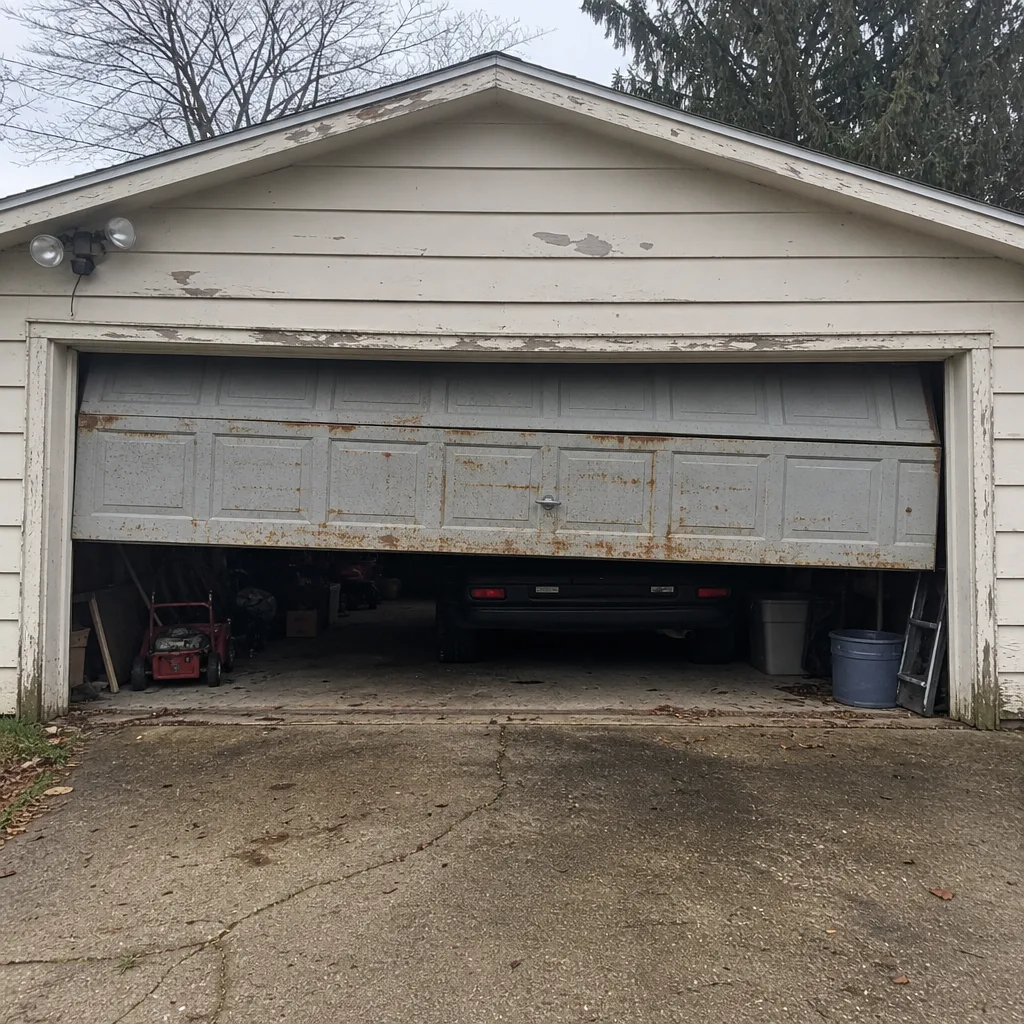 Before
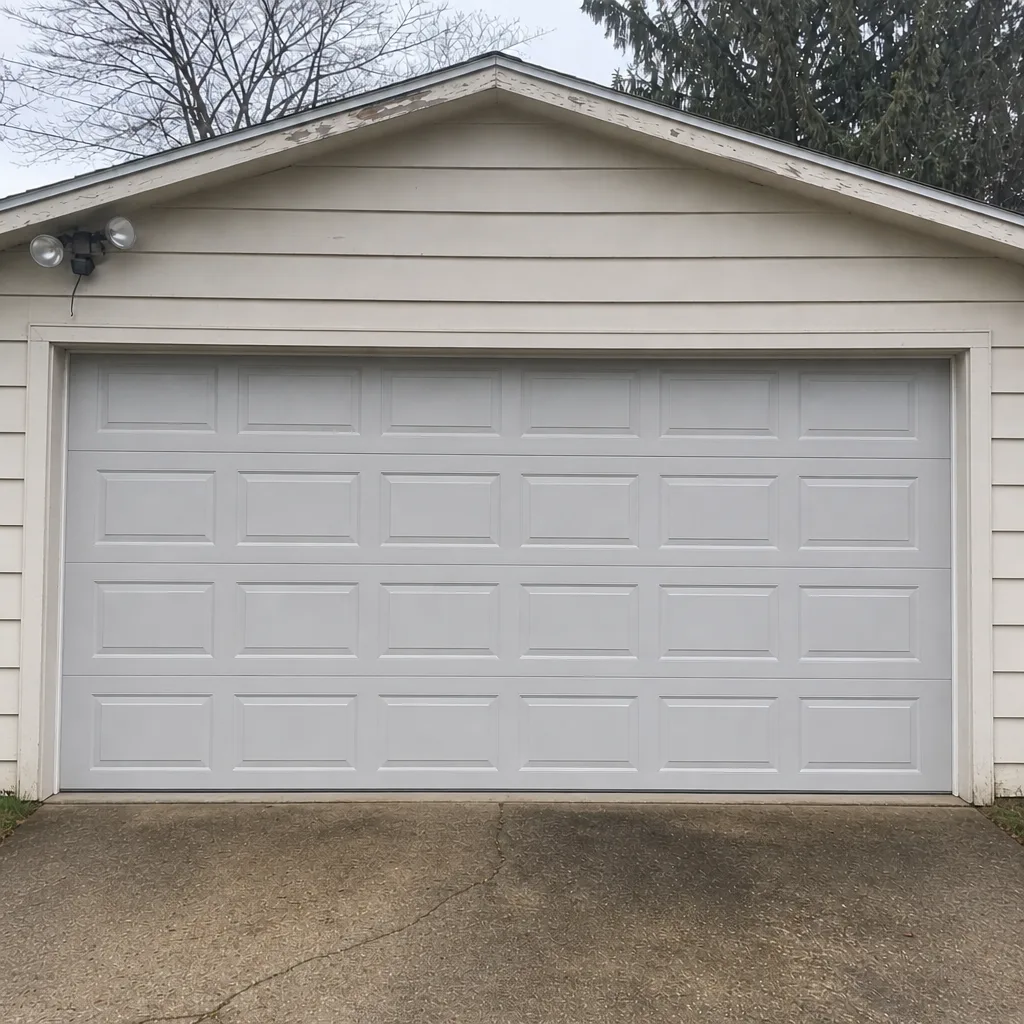 After
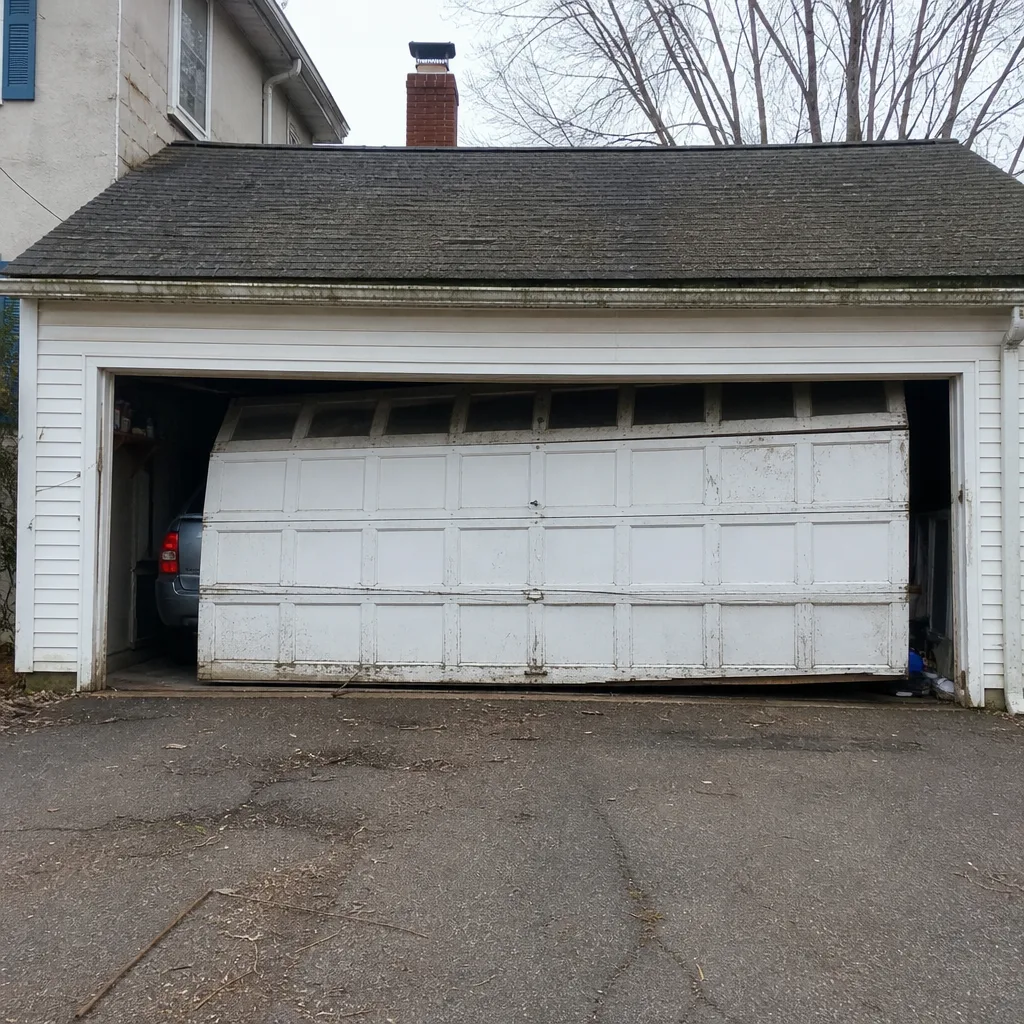 Before
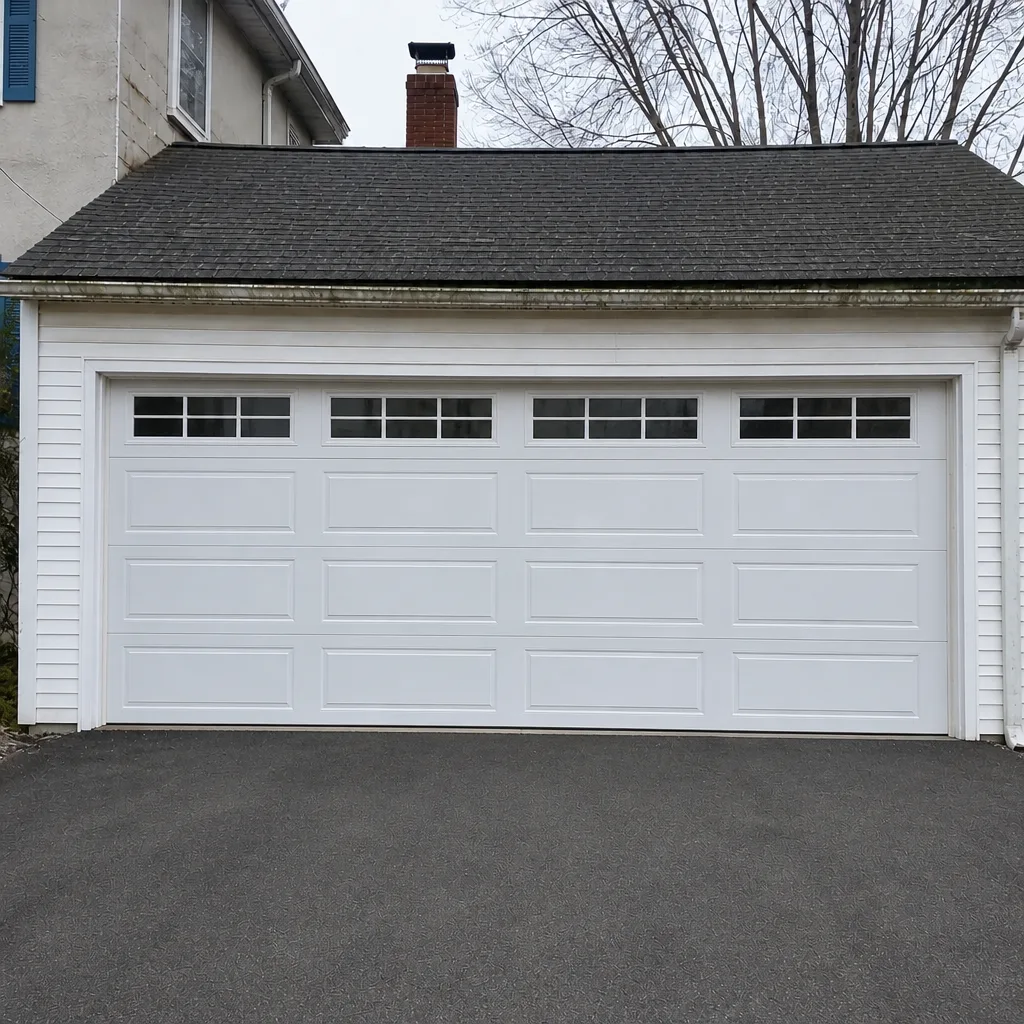 After
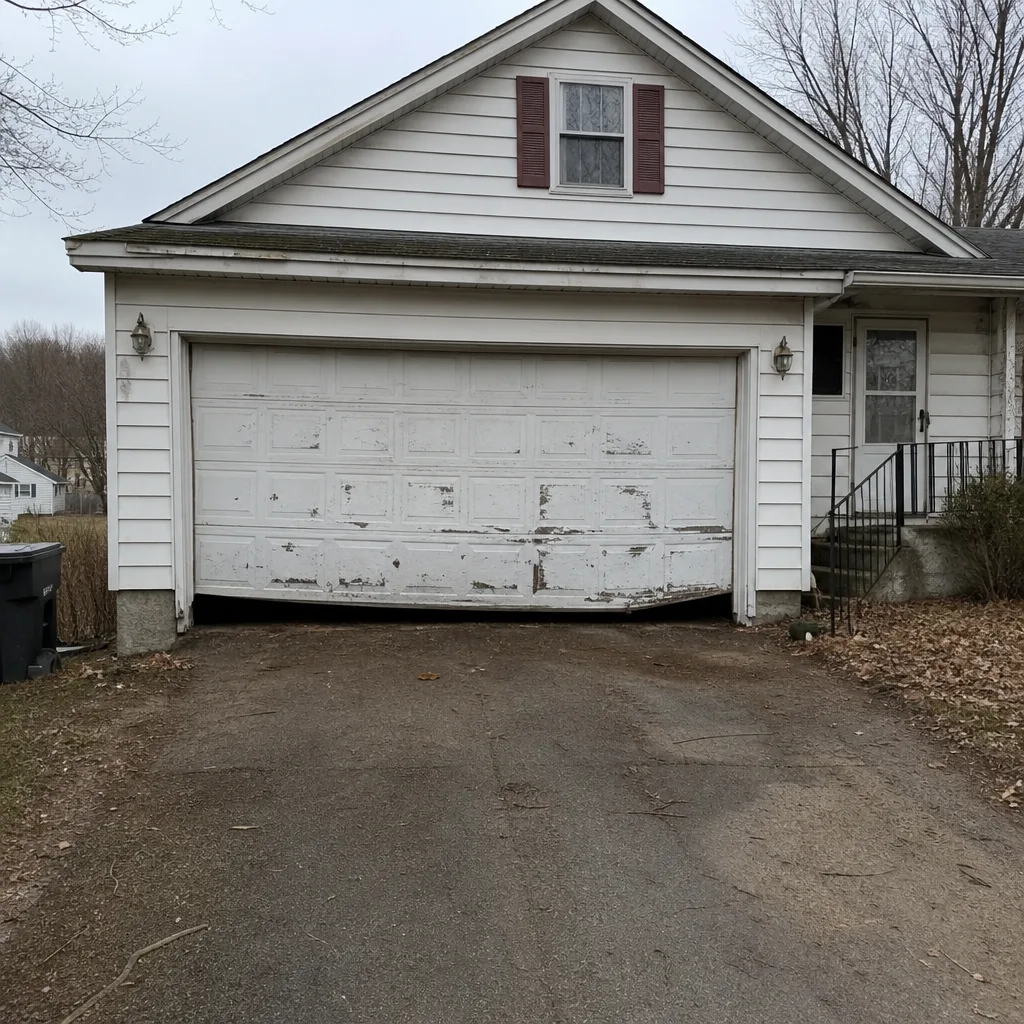 Before
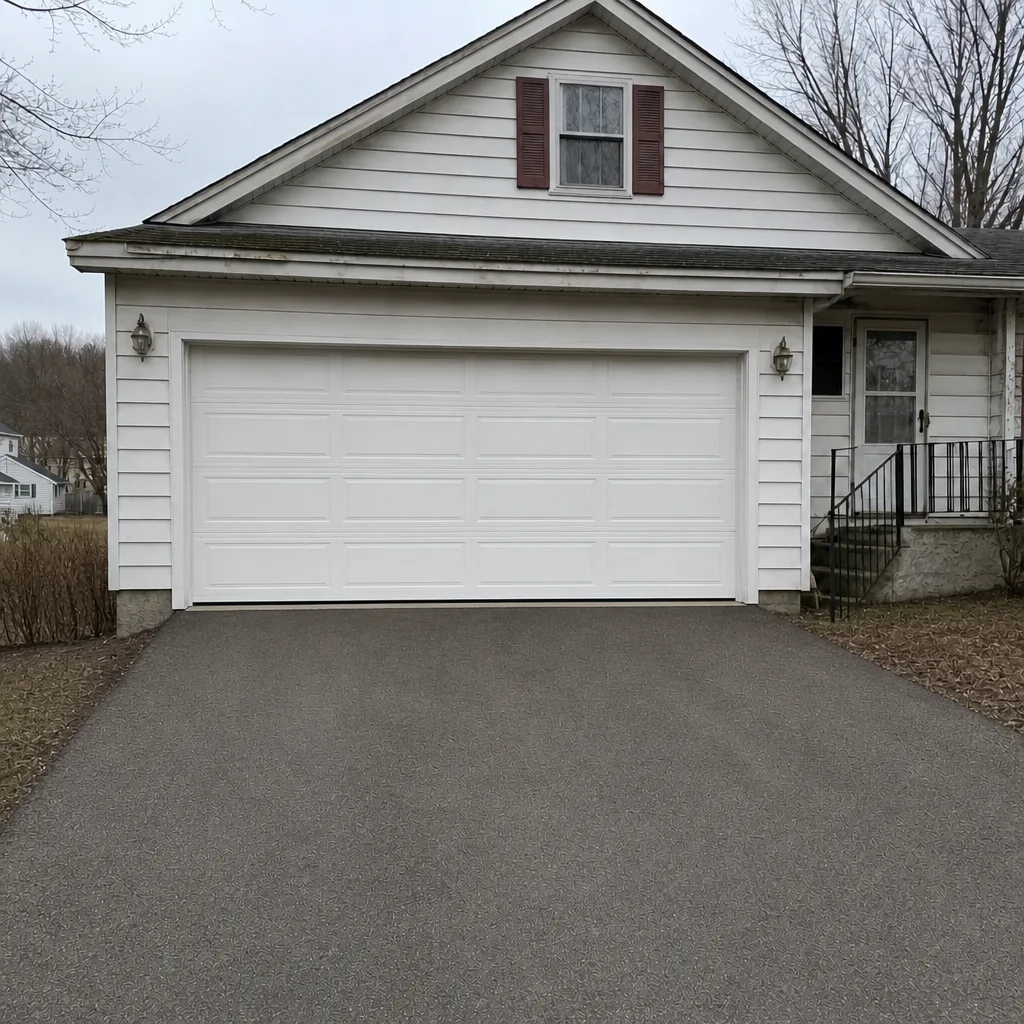 After
When to Call a Professional
Some garage door work is genuinely dangerous, and a few situations call for a technician without delay. Broken or noisy torsion springs, snapped cables, a door that’s come off its tracks, or an unbalanced door that slams shut are all spring and cable territory. These components store serious energy and can cause real injury, so they’re not a do-it-yourself job. An opener that reverses unpredictably or a door that won’t close is a safety issue that needs a proper diagnosis, not a workaround. Dented panels, seal replacements, and roller service are less urgent but still worth having done right. Waterbury Garage Door Repair offers free estimates in Waterbury – call (833) 513-8667. We answer 24/7. Fast dispatch from 7am to 7pm, Sunday through Friday. Whether it’s a spring, an opener, or a full new door, we fix it right the first time.
Frequently Asked Questions
The best brand for a Waterbury home is the one with strong local parts availability, trained local service, and a warranty that covers the failures you’ll actually have. Clopay, Amarr, Wayne Dalton, and Raynor are common door brands in the area, and LiftMaster, Chamberlain, Genie, and Craftsman cover most openers. Brand reputation matters less than whether a local technician can service the door quickly. Call (833) 513-8667 to talk through your door.
Yes, but the gauge and finish matter more than the name. Thicker steel and a proper finish resist freeze-thaw damage at the bottom edge, where snow and road splash collect. Waterbury’s winters work on seals, rollers, and hinges every season, so compare steel gauge and finish quality across brands rather than trusting the label alone. A free estimate starts with a call to (833) 513-8667.
Ask each brand for the whole-door R-value and the test method used to determine it. Some brands report the center-of-panel value, which always looks better than a whole-door measurement for the same door. Judge the full assembly, including seals and threshold, since that’s where heat actually escapes. Call (833) 513-8667 if you want help reading the specs on a specific door.
The brands with broad dealer and parts networks get serviced fastest. That usually includes widely installed brands whose wear items are standard rather than proprietary. The fastest way to know is to ask where the part ships from before you buy. We service eight major brands, including Clopay, Amarr, Wayne Dalton, Raynor, LiftMaster, Chamberlain, Genie, and Craftsman, so call (833) 513-8667 with your model.
Usually not fully. Most warranties cover manufacturing defects but exclude impact dents, and finish coverage often depends on a required maintenance routine. Springs are frequently treated as a separate, shorter-term wear item. Read the exclusions section, not the headline, and ask what labor is covered and for how long. Call (833) 513-8667 for help interpreting a warranty before you sign.
Yes, they should be chosen as a pair. A heavier door puts more load on springs and the opener, so the opener must match the door’s weight and balance. Drive type also matters: belt drive suits attached garages, while chain drive is common for detached garages. If you’re replacing one, bring the other’s specs to the decision. Call (833) 513-8667 to review your setup.
The Bottom Line
Brand selection for a Waterbury garage door comes down to the local service and parts network behind the door, not the logo on the panel. A well-known brand with no local technician and a two-week parts lead time is a worse choice than a mid-tier brand a trained technician can service the same week. Compare steel gauge, insulation measurement method, and warranty exclusions on equal terms, then confirm who services the door after installation. Waterbury’s winters make parts access and finish quality seasonal necessities, not conveniences. Get the written estimate, confirm the price before work starts, and choose the brand your local technician knows.
Written by the team at Waterbury Garage Door Repair.
Call (833) 513-8667 for a free estimate. We answer 24/7. Fast dispatch from 7am to 7pm, Sunday through Friday. From a broken spring to a full new door, we work on your brand and fix it right the first time.