
Last updated November 23, 2026
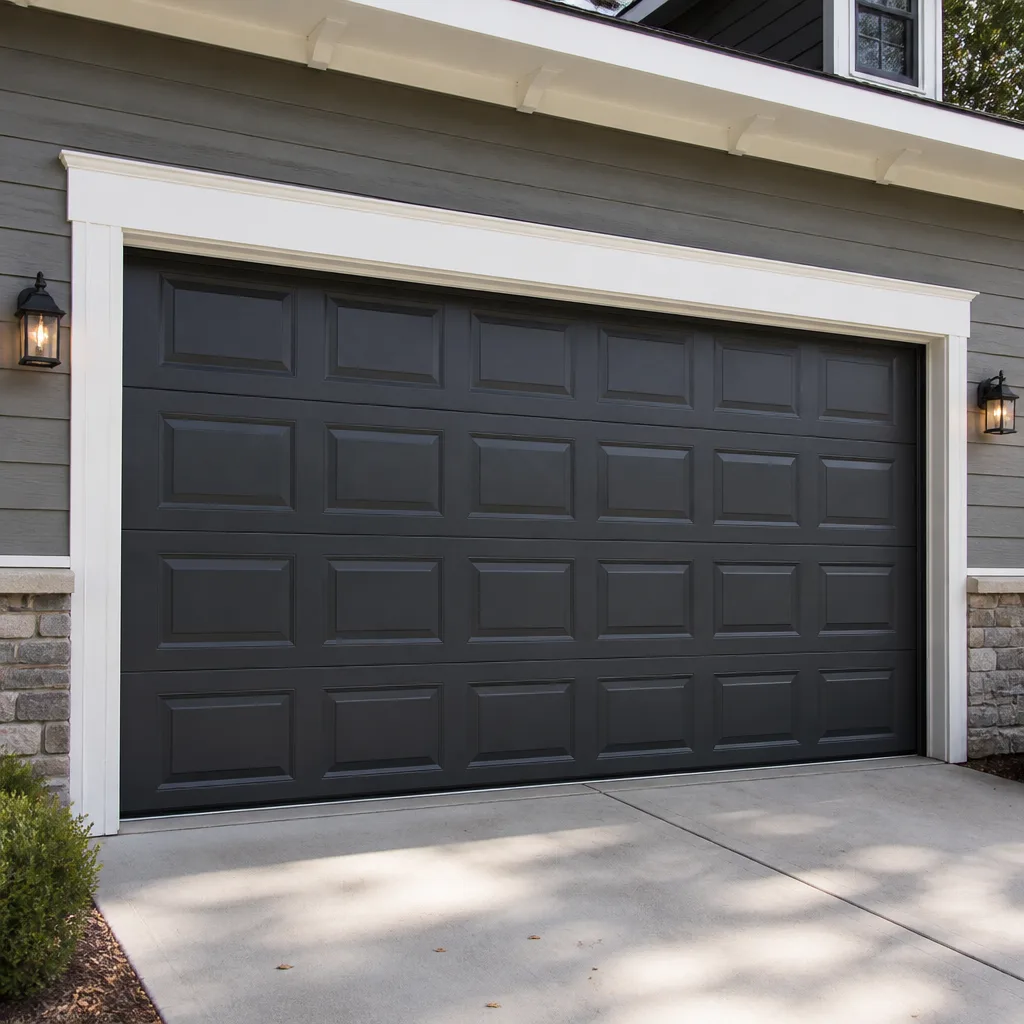 Raised-panel steel
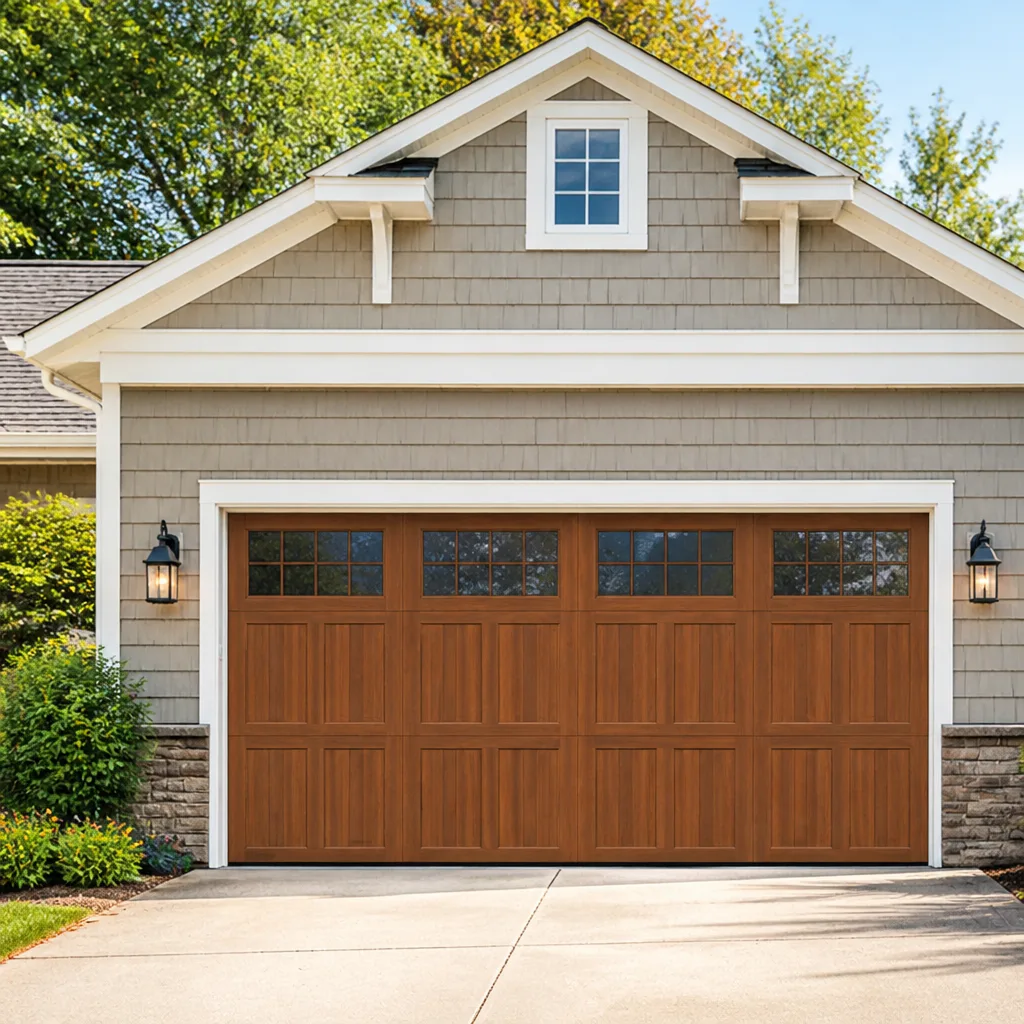
 Carriage house
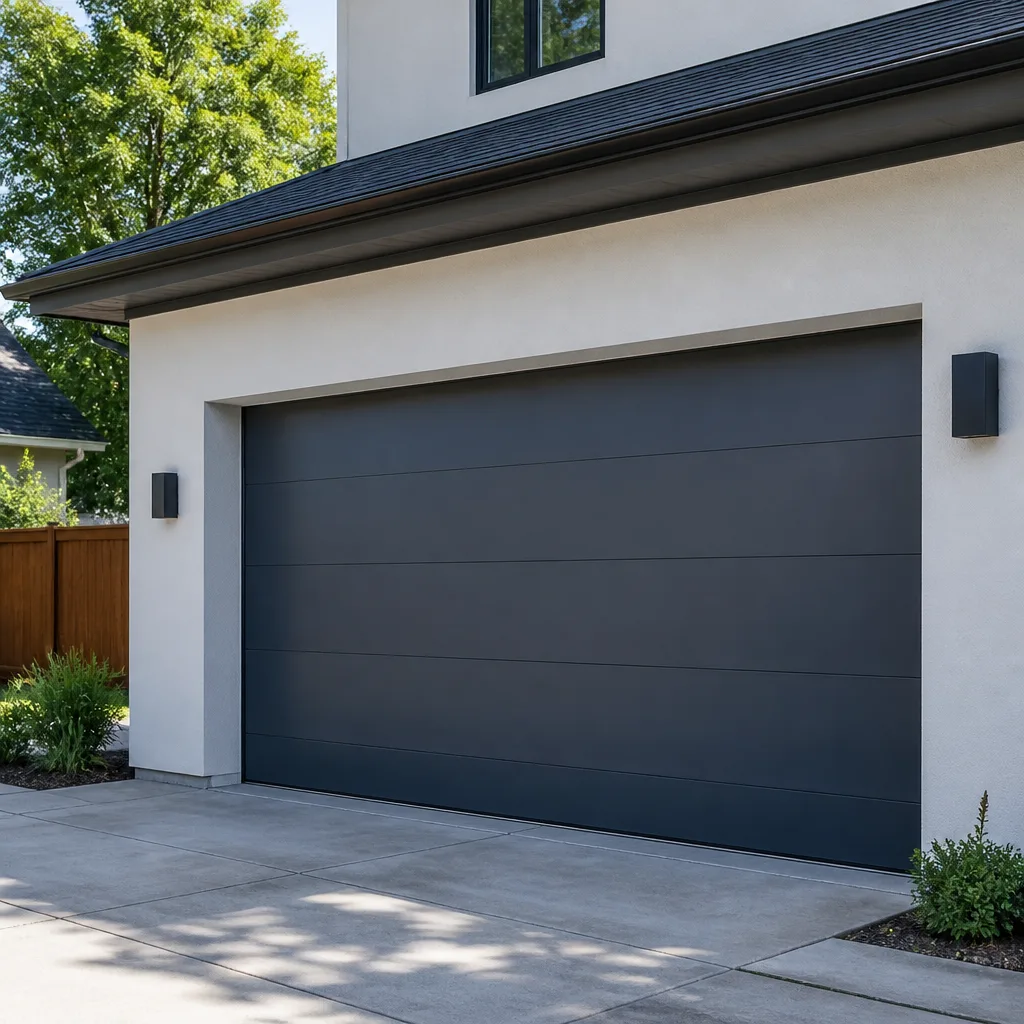 Modern flush
 Full-view glass
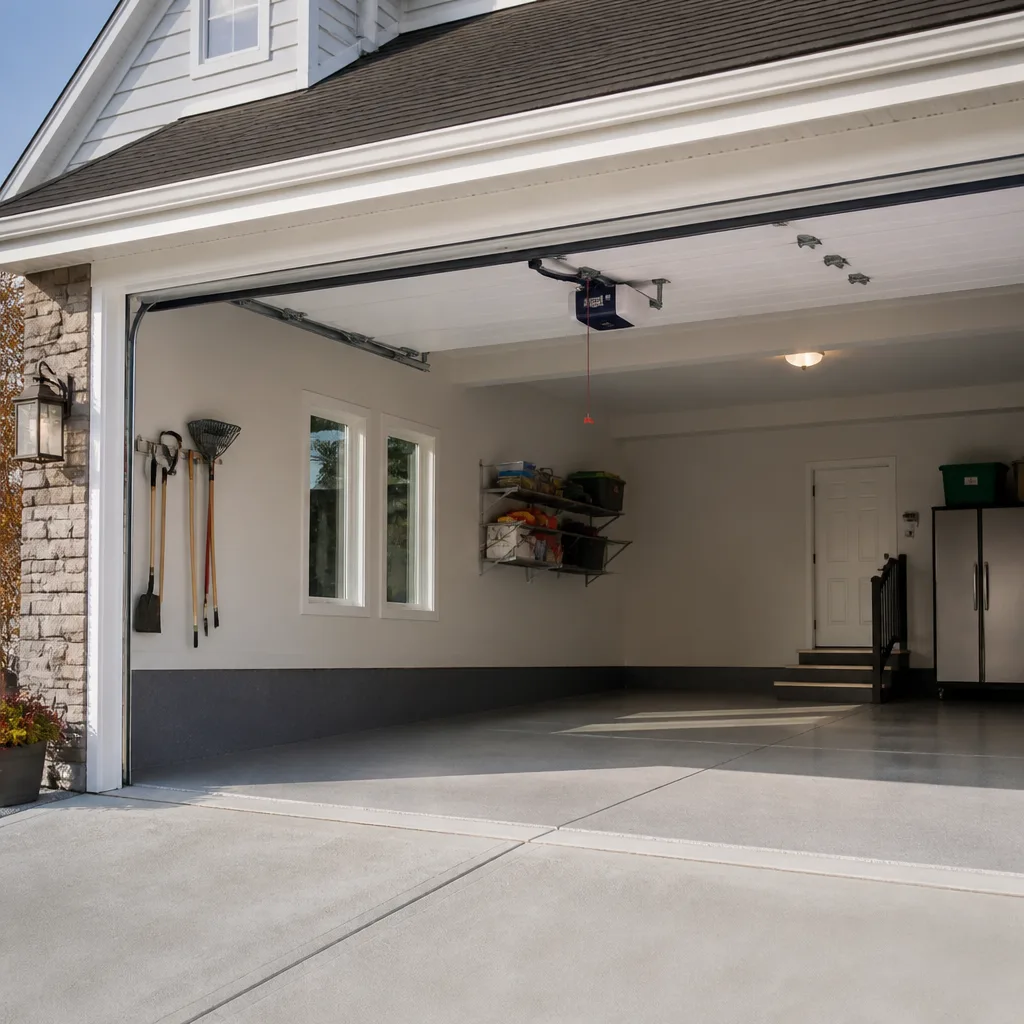 LiftMaster openers
 Chamberlain openers
Full 25-point door and opener safety check with every visit - springs, cables, rollers, tracks, and your LiftMaster or Chamberlain opener included
You get a price before we start. It does not change when the pro arrives.
Get your free estimateGarage Door Repair Maintenance Schedule: What to Do and When
Most garage door maintenance advice follows a calendar, and that’s the problem. A homeowner in Waterbury who lubricates every spring and calls it done is guessing. The door doesn’t care what month it is. It cares how many times it goes up and down, what the temperature does to its steel tracks, and whether the bottom seal is still touching concrete. A garage door in a four-person Waterbury household that opens six times a day lives a very different life than one on a quiet street where the car leaves once in the morning. This guide replaces arbitrary dates with a schedule tied to workload and to Connecticut’s seasons, so you know what to check and, more importantly, when. One task here takes 30 seconds and prevents more emergency repairs than anything else on the list.
Quick Answer
Test your door’s balance monthly by pulling the release handle and lifting it halfway: a healthy door stays put, and one that drifts down or shoots up needs a technician. Clean and lubricate hinges, rollers, and the torsion spring on a seasonal schedule, inspect the bottom seal and track gaps before the first freeze, and let cycle count rather than age decide when springs get replaced. Everything involving cables, spring tension, or the trolley carriage belongs to a trained professional, not a homeowner.
Styles & brands we work with
- Raised-panel steel
- Carriage house
- Modern flush
- Full-view glass
- LiftMaster openers
- Chamberlain openers
Table of Contents
- The 30-Second Balance Test That Prevents Emergencies
- Why Cycle Count, Not Age, Decides Spring Replacement
- Your Before-Winter Checklist for Waterbury Freeze Risk
- What to Listen for on the First Cold Morning of November
- What You Can Safely Do vs. What Needs a Technician
- The Seasonal Schedule: Lubrication and Visual Inspection
- Keeping a Maintenance Log That Cuts Diagnostic Time
The 30-Second Balance Test That Prevents Emergencies
Here’s the maintenance task almost nobody performs, and it’s the one that tells you the most. A garage door is a spring-balanced system. The springs carry the door’s weight so your opener only has to guide it. When balance drifts, the opener starts carrying weight it was never designed to carry, and it burns out quietly over months before anything visibly breaks. Testing for it takes half a minute.
- Close the door and pull the red release handle to disconnect the opener trolley. Only do this when the door is fully closed and no one is underneath.
- Lift the door by hand to about waist height, then let go.
- A balanced door holds its position or drifts slightly. A door that drops fast, or one that rises on its own, is out of balance.
- Reconnect the trolley by hand before operating the opener again.
Run this test once a month. In Waterbury, a door that balanced fine in October can drift slightly out of tune by February as cold contracts the steel and stiffens the lubricant. That’s normal. What isn’t normal is a door that fails the test outright, because an out-of-balance door is usually a sign the torsion spring has lost tension or is on its way out. It also means the opener motor is working harder than it should, which is one reason we handle so much garage door opener repair in town. If your door fails the balance test, stop using the opener and get it looked at. Running an unbalanced door accelerates wear on the opener gears and the door’s hinges at the same time.
We’ve seen homeowners replace an opener when the real problem was a tired spring the whole time. The balance test would have caught it months earlier.
Why Cycle Count, Not Age, Decides Spring Replacement
Ask most homeowners how old their springs are and you’ll get a blank look. Ask how often the door opens and they’ll know exactly. That’s the number that matters, because torsion springs are rated in cycles, not years, and a cycle is one full open and close. A door that sees heavy daily use wears its springs out far sooner than one on a quiet schedule, which is why a calendar-based replacement rule doesn’t work.
You can estimate your door’s annual cycle count from household size and routine. Count roughly how many times the door opens and closes in a typical day, then multiply:
- One driver, one car: about 4 cycles a day, roughly 1,400 a year.
- Two working adults: about 6 to 8 cycles a day, roughly 2,200 to 2,900 a year.
- Family with kids and a busy driveway: 10 or more cycles a day, over 3,600 a year.
Once you know your annual cycles, a technician can tell you roughly how much of your spring’s rated life you’ve used and project when replacement is likely. That turns spring replacement from a surprise into a planned job. It also matters because a matched pair of springs should be replaced together, not one at a time, since the untouched spring is usually nearly as worn as the one that broke.
Springs are the most dangerous component on any garage door. They’re under high tension, and the cables attached to them can snap with serious force, so this is not a job for a homeowner with a set of winding bars from a video. Our technicians handle garage door spring repair as a specialized service, and it’s a big part of why homeowners call us instead of a general handyman. Knowing when your springs are due is the whole game. Guessing at them is how a door ends up stuck open on a cold morning.
Your Before-Winter Checklist for Waterbury Freeze Risk
Waterbury winters are hard on garage doors in ways that don’t show up in summer. Freezing temperatures stiffen lubricant, contract steel tracks, and turn a slightly worn bottom seal into a hard, cracked strip that lets cold air and moisture in. Water that gets under a door and freezes can lift the bottom panel. The checklist below is what we’d walk through on any Waterbury door before the first hard freeze, and none of it takes long.
- Inspect the bottom seal. Run your hand along the rubber strip at the bottom of the door and look for cracks, hardness, or gaps where it no longer meets the floor. A seal that’s stiff and cracked in October will let in cold air and moisture all winter.
- Check the track gap. With the door closed, look at the space between the door edge and the vertical track. It should be even on both sides. A visible gap on one side means the track has shifted, and that’s a technician job to correct.
- Lubricate the torsion spring. Before temperatures drop below 20°F, apply a garage-door-specific lubricant to the torsion spring. Cold stiffens the coil and accelerates wear on a dry spring.
- Wipe down and lubricate hinges and rollers. A light coat of the right lubricant keeps rollers turning freely when the cold makes everything stiff.
- Test the balance again. Cold weather is when balance problems surface. Run the test from the section above.
- Check the weatherstripping around the frame. Gaps at the sides and top let in drafts and, in a wet fall, moisture that can freeze and swell wood frames.
Do this before the first real cold snap, not after. A door that seals properly in November is a door that doesn’t surprise you in January. Waterbury homes with unheated garages feel the cold most, because the door has nothing buffering it from the outside air.
What to Listen for on the First Cold Morning of November
The first genuinely cold morning of the season is your best diagnostic tool, if you pay attention. Cold thickens lubricant and shrinks metal, so every component that’s marginal announces itself. Stand in the garage and run the door once, listening rather than watching.
- A grinding or scraping sound usually points to dry rollers or hinges, or a track that’s binding. If it’s louder in the cold and quieter once the day warms up, lubricant is the likely fix.
- A loud bang or snap from above the door is the classic sound of a torsion spring breaking. That’s not a maintenance item anymore; stop using the door and call for a technician.
- A door that moves unevenly, jerks, or pauses can mean a track out of alignment or a spring that’s lost tension in the cold.
- A motor that strains or sounds louder than usual often means the opener is fighting an out-of-balance door, which ties straight back to the balance test.
Note what you hear and when. If the door is quiet in the afternoon but noisy on a cold morning, you’ve narrowed the problem to something temperature-sensitive, which saves a technician diagnostic time. The parts that groan on the first cold morning are usually the parts that fail before spring. If you have a Raynor or a LiftMaster system that’s been quiet all year and suddenly complains in November, that’s your cue to book an inspection rather than wait for a breakdown.
What You Can Safely Do vs. What Needs a Technician
Half of garage door maintenance is genuinely homeowner territory, and half of it can hurt you. Knowing which is which is the most important skill in this whole guide, because the dangerous half is dangerous for real. Springs and cables store enormous energy, and a mistake with either one can cause serious injury. Here’s the honest split.
Safe for homeowners
- Lubrication. Hinges, rollers, the torsion spring, and the track get a garage-door-specific lubricant on a seasonal schedule. Never use grease or WD-40, which attract grit and dry out.
- Visual inspections. Looking at the bottom seal, the track gaps, the hinges, and the weatherstripping for cracks or wear.
- The balance test. Disconnecting the trolley and checking whether the door holds its position, as described earlier.
- Cleaning the tracks. Wiping debris and grit out of the tracks with a rag so rollers don’t grind it in.
- Testing the safety reverse. Placing an object in the door’s path and confirming the door reverses on contact.
Requires a trained technician
- Cable tension and adjustment. Cables are under extreme tension and can snap. This is never a homeowner task.
- Spring adjustment or replacement. The springs are the single most dangerous component on the door. Winding bars and spring work belong to a professional.
- Trolley carriage inspection and repair. The carriage connects the opener to the door, and diagnosing it safely means understanding the whole drive system.
- Track realignment. A track knocked out of plumb needs proper tools and, often, adjustment at multiple points.
We work on whatever brand is already on your door, from a Craftsman opener to a Chamberlain drive system, and the safe-versus-unsafe split is the same regardless. If a task is on the second list, don’t take it on yourself. That’s not a sales pitch; it’s the reason spring repair is a specialized service in this trade at all.
The Seasonal Schedule: Lubrication and Visual Inspection
Instead of a rigid month-by-month calendar, tie your tasks to the two seasonal shifts Waterbury actually has: the approach of winter and the approach of summer. Both put different stresses on the door, and both are good moments to run a full walk-around. Between them, keep the monthly balance test going. This is the schedule we’d suggest for a typical Waterbury household.
- Early fall (before the first freeze). Full inspection, bottom seal check, track gap measurement, torsion spring and hardware lubrication, balance test. This is the most important pass of the year in Connecticut.
- Monthly through winter. Balance test and a listen for grinding or grinding-type noises on cold mornings. Reapply lubricant if the door gets noisy.
- Early spring. Clean the tracks of winter grit and salt-tracked-in debris, check the bottom seal again for cracks from the freeze, and lubricate. Spring is also the time to check for any panels that may have loosened over the winter.
- Mid-summer. A lighter pass: visual inspection, hardware lubrication, and a check on the safety reverse and the balance.
That schedule follows the door’s real conditions rather than an arbitrary date on a wall calendar. Waterbury’s freeze-and-thaw cycle is the biggest single driver of garage door wear here, and the fall pass is where a homeowner gets the most return on a few minutes of work. If your door is due for a bigger checkup, our team offers garage door repair for everything from a worn seal to a full hardware overhaul, and we’ll tell you honestly whether a repair or a replacement makes more sense.
When the whole door is past saving, we handle new installation too, so you’re not passed to a subcontractor at any stage. Full-spectrum capability matters when a door reaches the end of its life, but it’s not the first answer. An accurate diagnosis and a lasting repair come first, and that’s the order we work in.
Keeping a Maintenance Log That Cuts Diagnostic Time
You don’t need an app. A single sheet of paper taped to the inside of the garage wall works, and it changes the way a service call goes. When something goes wrong, a technician normally spends the first part of a visit working out the door’s history from scratch: what’s been replaced, when it was last lubricated, what noises started when. A simple log answers most of that before the technician arrives, and in our experience it can cut diagnostic time roughly in half on a call that turns into a real repair.
What to record:
- Date of every balance test and whether it passed or drifted.
- Dates you lubricated the springs, hinges, and rollers.
- Any part you replaced and when, including the opener if you’ve had one.
- Noises or changes you noticed, and whether they’re temperature-sensitive.
- Your annual cycle estimate and any change in household routine.
The log also helps you hold to the cycle-count rule for springs. If you know your door’s rough annual cycles and when the springs were last replaced, a technician can project the next replacement instead of waiting for a bang. This is the quiet advantage of a written record: it turns maintenance from reactive guesswork into something you can plan around. A homeowner in Waterbury with a door past its expected spring life can book a checkup on a weekday instead of calling in a panic on a cold morning when the door won’t open.
Common Mistakes to Avoid
- Skipping the balance test because nothing looks wrong. The door can be silently out of balance for months while the opener wears down. The test takes 30 seconds; run it monthly.
- Replacing springs by themselves instead of as a matched pair. The second spring is usually nearly as worn, so replacing one just sets up a repeat failure a few months later.
- Using the wrong lubricant. Grease and general-purpose oils attract grit and gum up rollers. Use a garage-door-specific lubricant on hinges, rollers, and the torsion spring.
- Ignoring the bottom seal before the freeze. A cracked, stiff seal lets in cold air and moisture that can freeze under the door, and a $15 strip of rubber is cheap insurance against a lifted panel.
- Trying to adjust a cable or spring. These are the parts most likely to injure a homeowner. Cable tension and spring work belong to a trained technician, every time.
- Assuming a noisy door is “just old.” Grinding in cold weather is usually a dry roller or a binding track, and it’s fixable before it becomes a broken one.
- Not keeping a log. Without it, a technician starts every service call from zero, and you lose the ability to predict spring replacement instead of reacting to it.
See the difference
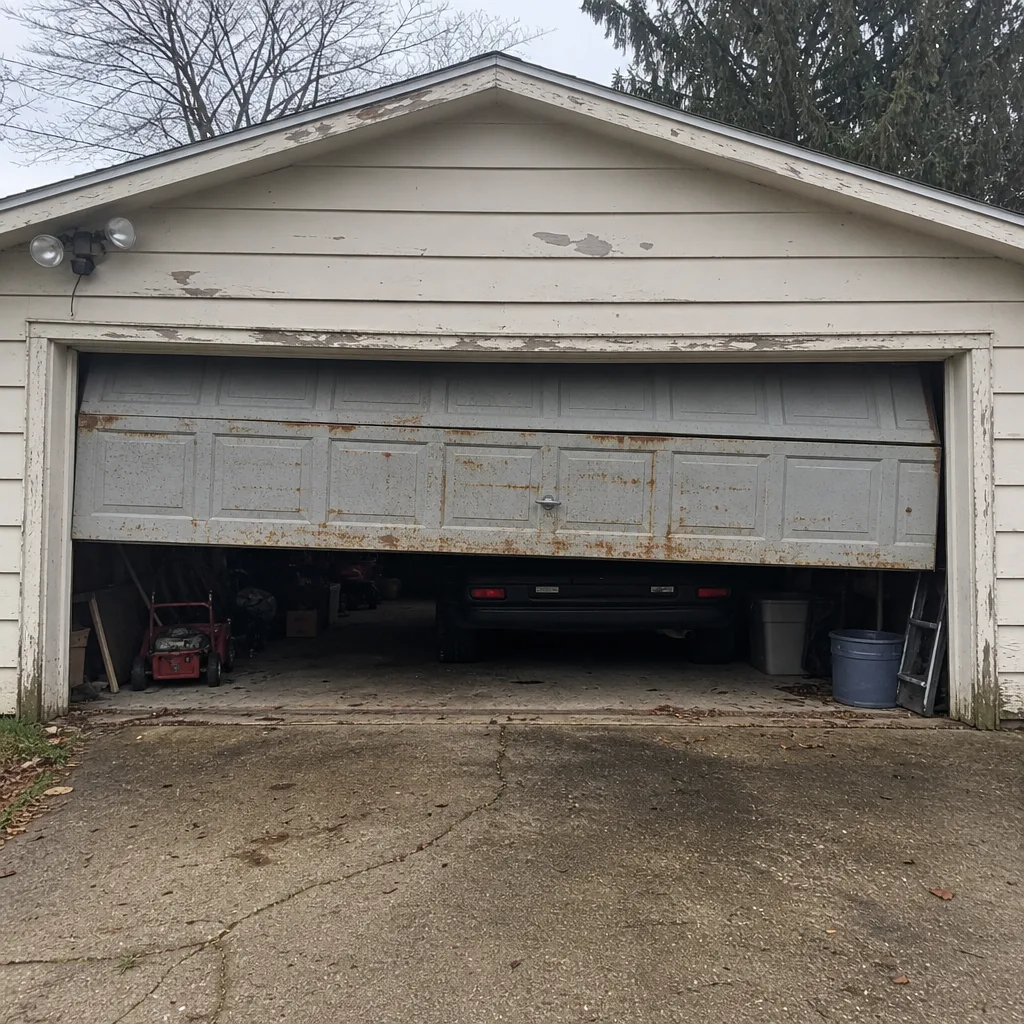 Before
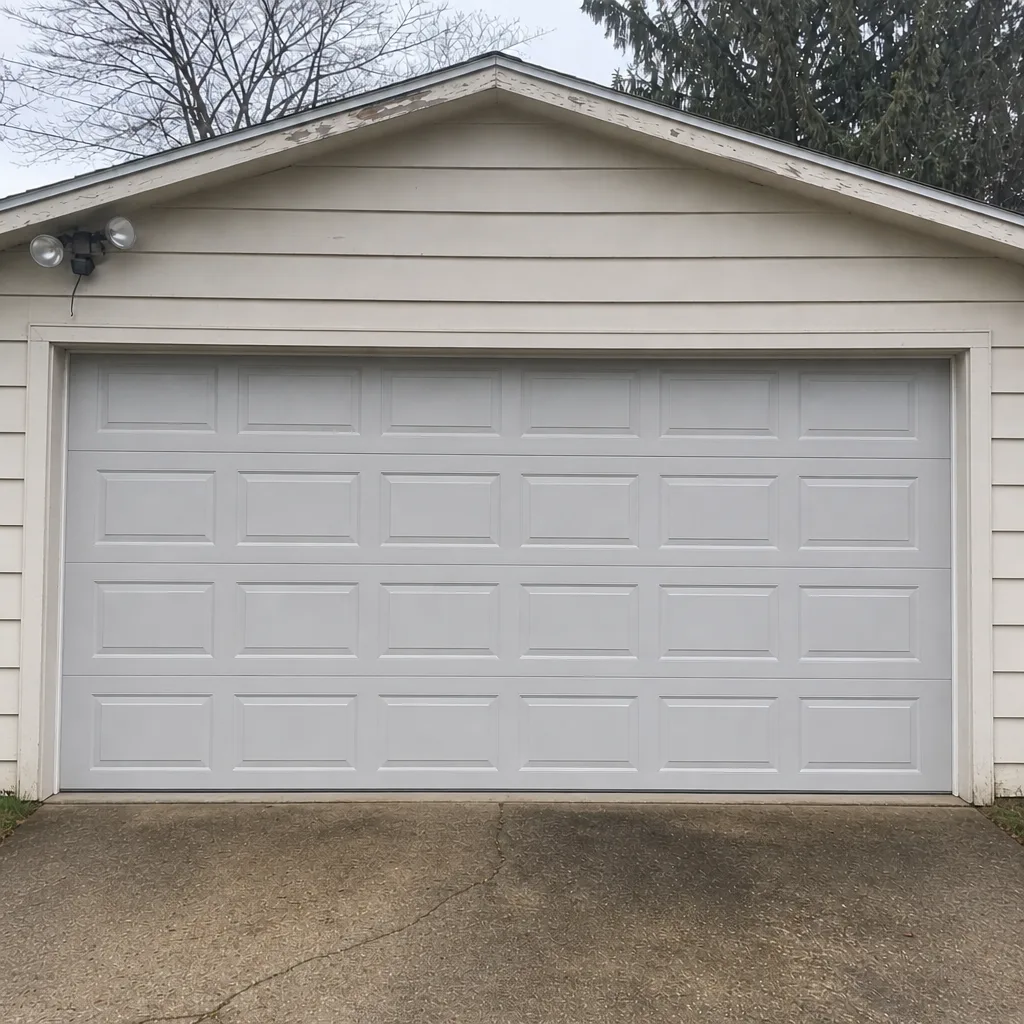 After
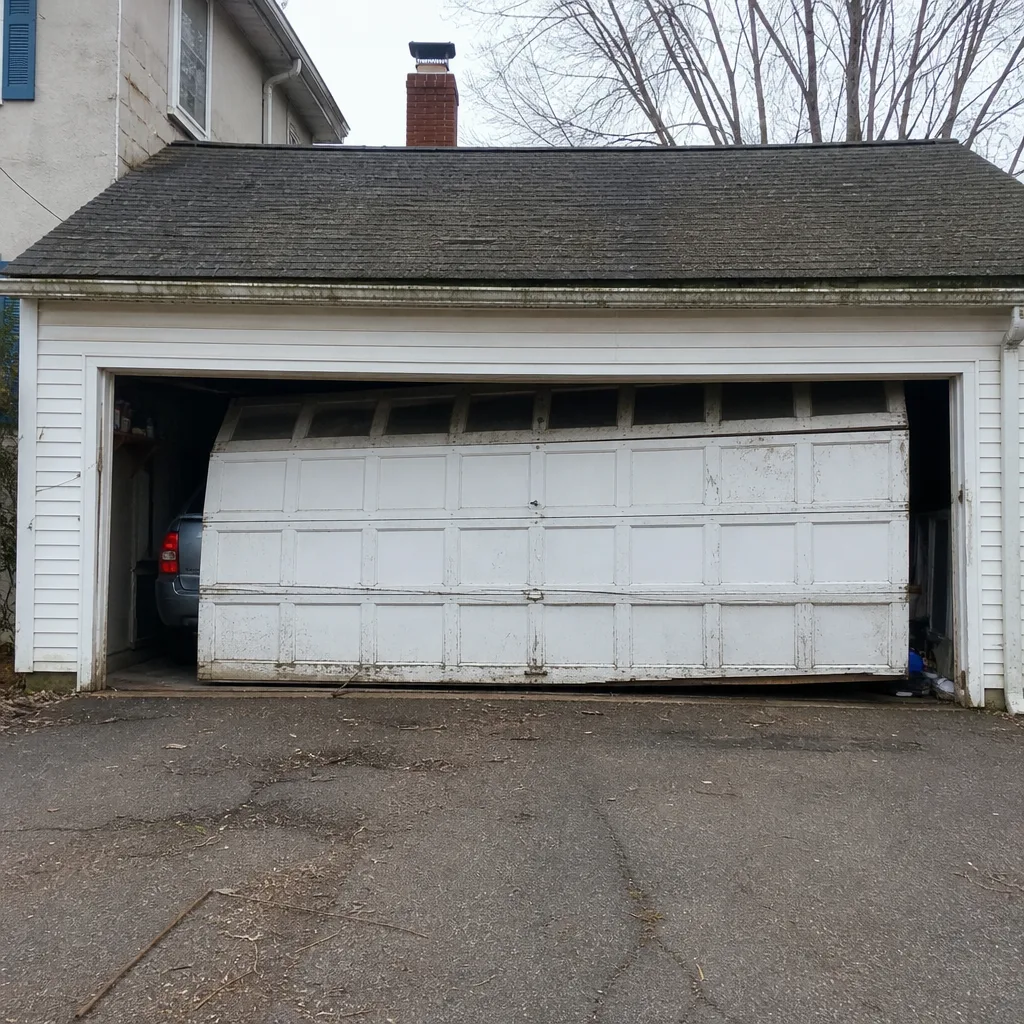 Before
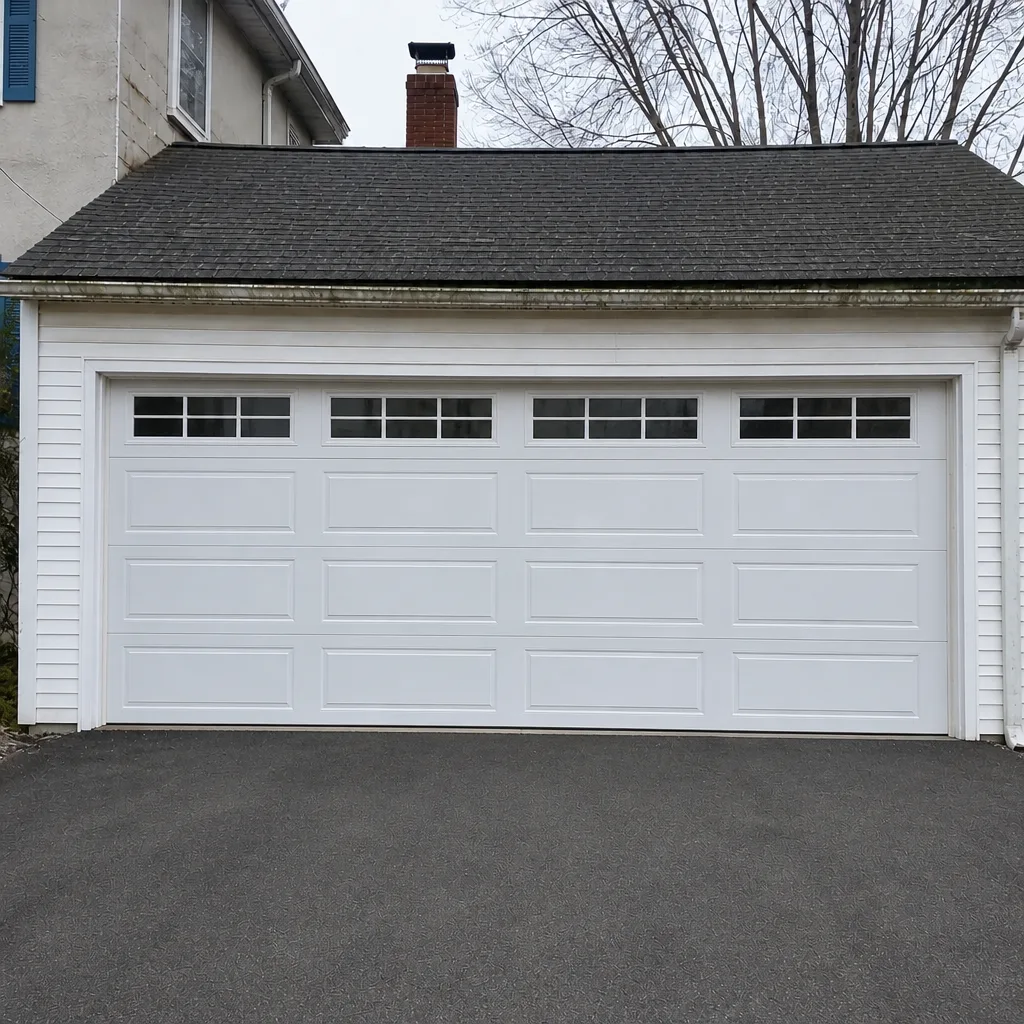 After
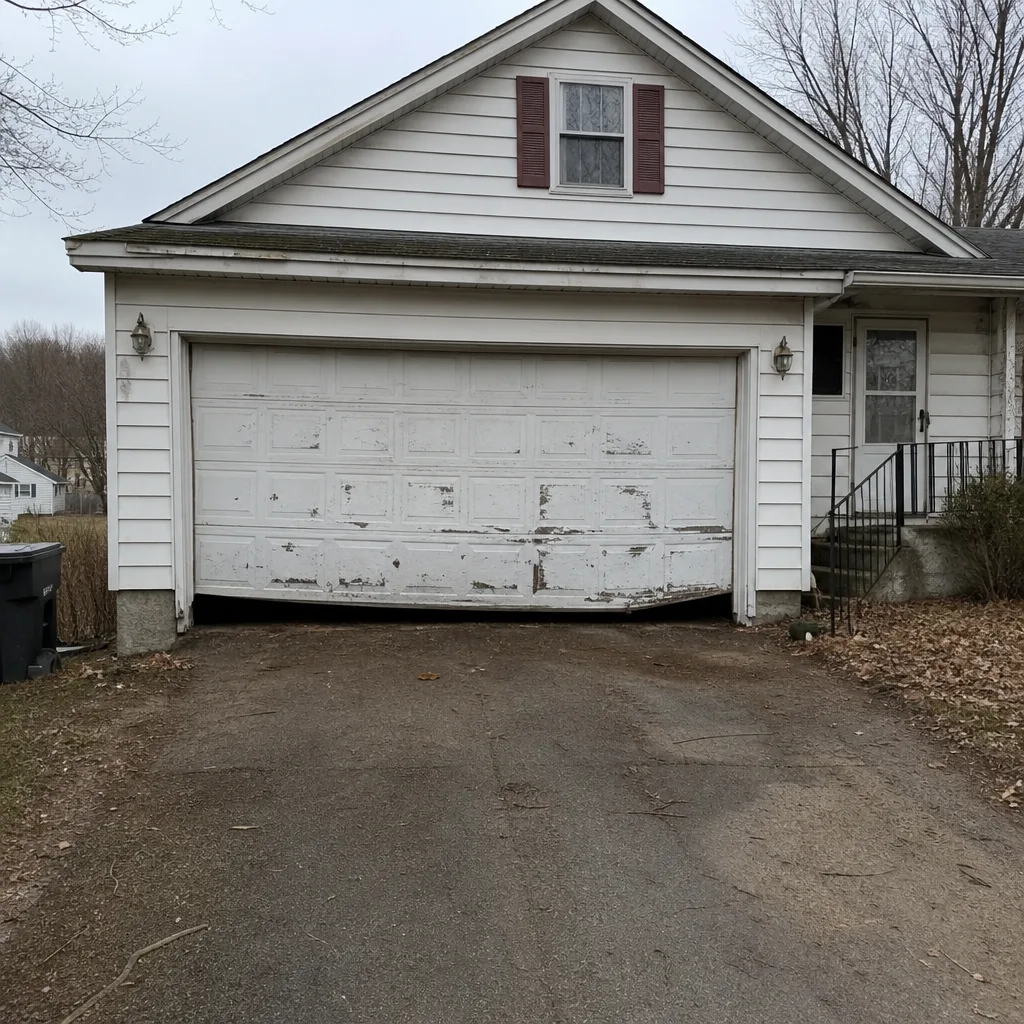 Before
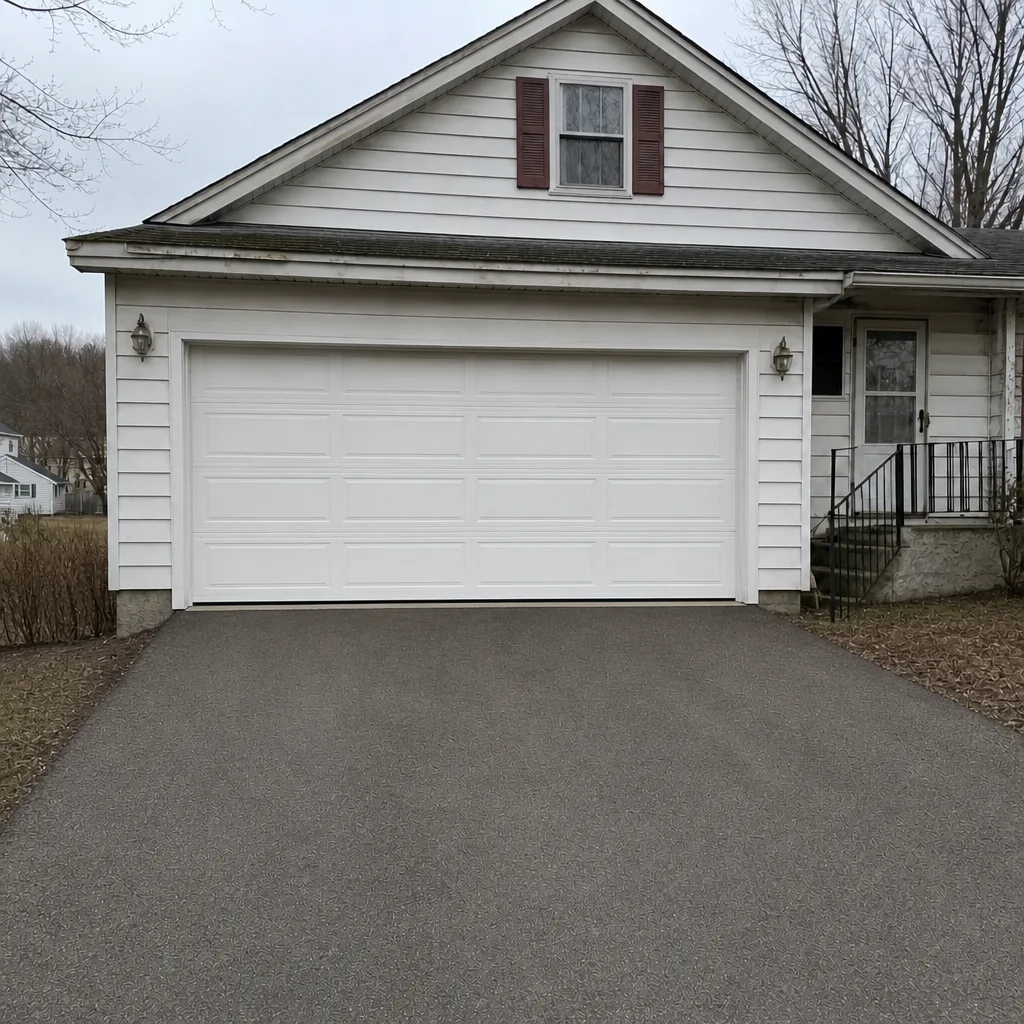 After
When to Call a Professional
Some situations need a technician and no amount of care on your part changes that. Call if your door fails the balance test outright, if you hear a bang or snap and the door becomes hard to lift, if the door won’t close all the way or reverses on its own, if a track is visibly knocked out of line, or if the opener motor strains, grinds, or stops responding. Those are the signs that a maintenance task has become a repair, and continuing to run the door makes it worse. A stuck door on a cold morning is a common call here, and the fix usually starts with an accurate diagnosis. Waterbury Garage Door Repair offers free estimates in Waterbury; call (833) 513-8667. We answer 24/7, with fast dispatch from 7am to 7pm, Sunday through Friday. The price is set by a written estimate agreed before any work starts.
Frequently Asked Questions
Once a year at minimum, with the most important pass in early fall before the first freeze, plus a monthly balance test and seasonal lubrication. Waterbury’s freeze-and-thaw cycle puts more wear on doors than a mild climate does, so annual servicing matters more here than the general advice suggests. Call (833) 513-8667 for a free estimate if your door hasn’t been looked at in a while.
Base it on cycle count, not age. Springs are rated in open-and-close cycles, so a busy household wears them out faster than a quiet one; estimate your annual cycles from how often the door runs and use that to project replacement. A technician can tell you roughly how much spring life is left. Call (833) 513-8667 to schedule an inspection.
Yes, lubrication is one of the safe homeowner tasks. Apply a garage-door-specific lubricant to hinges, rollers, and the torsion spring, and stay away from cables and spring adjustment, which are genuinely dangerous. If you’re not sure whether a part is safe to touch, ask before you do. Call (833) 513-8667 with questions; estimates are free.
Cold stiffens lubricant and tightens metal, so dry rollers, worn hinges, or a binding track all make more noise in the cold. If the noise fades as the day warms up, lubricant or a worn part is the likely cause; if it comes with a bang or the door jerks, stop using it. Call (833) 513-8667 for a diagnosis.
Safe: lubrication, visual inspections, cleaning the tracks, the balance test, and testing the safety reverse. Not safe: cable tension, spring adjustment or replacement, trolley carriage repair, and track realignment, all of which need a trained technician. When in doubt on the second list, don’t touch it. Call (833) 513-8667 and we’ll tell you which list your task is on.
Not necessarily, since the bottom seal is a straightforward piece of rubber, but a stiff or cracked seal before winter should be handled promptly because it lets in cold air and moisture that can freeze under the door. If the seal issue comes with a gap in the track or a door that isn’t sealing evenly, that’s a technician job. Call (833) 513-8667 for a free estimate.
The Bottom Line
The maintenance schedule that keeps a garage door healthy in Waterbury isn’t a calendar; it’s a workload. Test the balance monthly, lubricate on a seasonal rhythm, and check the bottom seal and track gaps before the first freeze. Let cycle count decide when springs need replacing, and keep a simple log so a technician isn’t starting from zero. Know which tasks are yours and which belong to a professional, because spring and cable work is genuinely dangerous. Most emergency repairs start as small maintenance tasks nobody did. A few minutes a month is all it takes, and if something needs a closer look, we’re a call away. Reach out to our team at Waterbury Garage Door Repair for garage door repair, garage door opener repair, and garage door spring repair, or call (833) 513-8667 for a free estimate. We answer 24/7, with fast dispatch from 7am to 7pm, Sunday through Friday.
Written by the team at Waterbury Garage Door Repair.